
**Animal Rescue Grief: How to Heal After Losing a Beloved Rescue Pet**
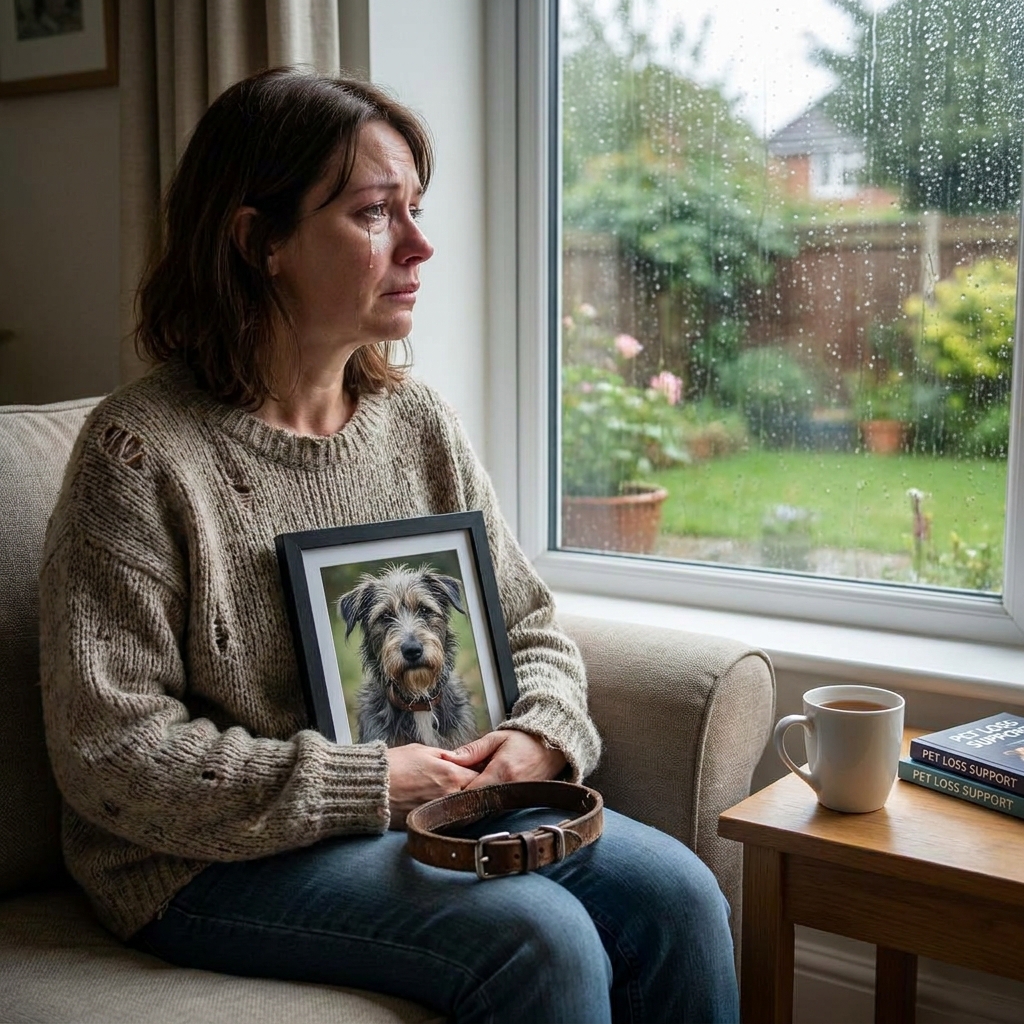
There is a special kind of love that forms between a person and a rescue pet. You saw something in each other from the very beginning. Maybe they were scared, or sick, or had a rough start in life. You gave them a safe place to land — and in return, they gave you everything they had. When that animal passes away, the grief can feel overwhelming, even surprising in its depth. Some people feel embarrassed by how hard they are taking it. But the truth is, losing a rescue pet can feel like losing a piece of your own story. That pain is real, it is valid, and you are not alone in feeling it.
Why Rescue Pet Loss Hits So Differently
Not all pet loss feels the same. Losing a rescue animal often carries a unique emotional weight that goes beyond the loss itself.
When you adopt from a shelter or rescue, you often know a little — or a lot — about what that animal has been through. Maybe they were surrendered, abandoned, or found wandering. Some rescue pets carry visible signs of past trauma. Others simply take months or years before they fully trust you. When they finally do, that bond becomes something deeply personal.
Because of this history, rescue pet loss can come wrapped in extra layers of emotion. You may feel like you were their one safe person. You may wonder if you gave them enough time, enough love, enough good days. These feelings are a natural part of animal rescue grief, and they deserve to be treated with the same care and seriousness as any other form of loss.
What Matters Most: Recognizing Your Grief
Before you can begin to heal, it helps to understand what grief actually looks like after losing a rescue animal. Grief is not always just sadness. It can show up in many different ways.
Signs You May Be Experiencing Companion Animal Grief
- Feeling deeply sad or empty, especially in quiet moments
- Looking for your pet out of habit — by the door, in their bed, in the yard
- Losing interest in daily routines or things you used to enjoy
- Feeling angry, guilty, or like you could have done more
- Trouble sleeping or eating
- Wanting to talk about your pet constantly — or not at all
- Crying unexpectedly throughout the day
These are all normal responses to loss. Grief is not a sign of weakness. It is a sign of how much you loved.
It is also worth knowing that rescue pet adoption often creates an extra sense of responsibility. Many rescue pet owners feel a quiet promise — I will give you the best life I can. When that pet is gone, some people struggle with whether they kept that promise. Most of the time, they kept it beautifully. Letting yourself believe that matters.
The Emotional Stages of Animal Rescue Grief
Grief does not move in a straight line. You may feel fine one morning and completely broken the next afternoon. That is completely normal. Understanding what you might experience can help you feel less lost along the way.
Shock and Disbelief
Even when a pet’s death is expected, the moment it happens can feel unreal. You may go through the motions of daily life feeling numb or disconnected. This is your mind’s way of protecting you from absorbing too much pain at once.
Guilt and Regret
This stage is especially common in rescue dog grief and other forms of rescue animal loss. You may replay decisions you made — the last vet visit, the final days, the moment you said goodbye. You might ask yourself, Did I do enough? Almost always, the answer is yes. You showed up for them every single day.
Deep Sadness
This is the heart of grief — the heavy, aching sadness that reminds you of everything you have lost. It can come in waves, sometimes triggered by small things like their empty food bowl or the leash still hanging by the door.
Adjustment and Acceptance
Over time, most people move toward a place of acceptance. This does not mean forgetting or “getting over it.” It means learning to carry the love and the loss together. It means your pet becomes a permanent, cherished part of your story — even though they are no longer beside you.
Healthy Ways of Coping With Pet Loss
Finding your way through coping with pet loss takes time, patience, and a little intentional effort. There is no right or wrong way to grieve, but there are approaches that tend to help.
Let Yourself Feel It
One of the most important things you can do is give yourself permission to grieve fully. Do not rush yourself. Do not tell yourself it was just an animal. Your feelings are real, and they deserve space.
Create a Small Ritual or Memorial
Many people find comfort in honoring their rescue pet in a tangible way. This might mean planting a small garden, creating a photo album, writing them a letter, or simply lighting a candle on the day they passed. These simple acts help acknowledge the love that existed — and still exists.
Talk About Your Pet
Share memories. Tell stories. Say their name. Keeping your pet alive in conversation can be a gentle, healing act. Find someone who will listen without judgment — a close friend, a family member, or even an online pet loss support community.
Stick to Simple Routines
Grief can make daily life feel disorganized. Keeping a loose routine — regular meals, short walks, small tasks — gives your day some structure and helps you move through the harder hours.
Be Patient With Your Own Timeline
Some people start to feel lighter after a few weeks. Others grieve for months. Both are normal. Do not let anyone else’s timeline define yours.
Finding Animal Rescue Support and Professional Help
Sometimes grief needs more than time and kind words. If your loss is affecting your ability to function — your work, your sleep, your relationships — reaching out for animal grief counseling or professional support is a healthy and courageous step.
Pet Loss Support Groups
Many communities offer pet loss support groups, either in person or online. These spaces connect you with other people who truly understand what it means to lose an animal companion. Hearing others share their experiences — especially around rescue animal care and rescue pet loss — can make you feel far less alone.
Therapists Who Understand Pet Loss
Not every therapist has experience with grief related to animals, but many do. Look for someone who takes your loss seriously and understands the deep bond that forms between people and their pets. A few sessions can make a meaningful difference.
Rescue Shelter Help and Community Connections
Some rescue organizations and animal shelters offer rescue shelter help in the form of grief resources, check-ins, or referrals to support groups. If you adopted your pet from a rescue or shelter, do not hesitate to reach out. Many of these organizations care deeply about their adopters and may have resources available you did not know existed.
Common Mistakes to Avoid When Navigating Pet Loss
Even with the best intentions, it is easy to fall into patterns that make grief harder. Here are a few things to watch for.
Rushing the grief. Healing takes the time it takes. Trying to “get over it” too quickly can leave pain unprocessed.
Isolating yourself. It can feel easier to withdraw, but connection — even a brief conversation — can bring real comfort.
Making big decisions too fast. Whether it is about adopting again, moving, or changing your routine significantly, give yourself time before making major changes while you are deep in grief.
Avoiding their memory. Some people feel that thinking about their pet makes the pain worse. In reality, gently honoring your pet’s memory tends to support healing, not slow it down.
Dismissing your own grief. If you find yourself saying I shouldn’t feel this bad — stop. You should. You loved someone deeply, and they are gone. That is one of life’s real and significant losses.
A Final Word on Animal Rescue Grief
Losing a rescue pet is losing a relationship that was built on trust, patience, and unconditional love. The animal rescue grief that follows is a reflection of everything that bond meant to you. It is not too much. It is not embarrassing. It is one of the most human things there is.
Give yourself grace. Lean on your community. Reach out for pet loss support when you need it. And when you are ready — whether that is in a few months or a few years — the love you gave your rescue pet will have prepared your heart to give that gift again.
Your pet was lucky to find you. And you were lucky to find them.
Frequently Asked Questions
Why does losing a rescue pet feel so much harder than other types of pet loss?
Losing a rescue pet often carries extra emotional weight because of the unique bond formed through their history. Knowing what your pet survived before finding you — abandonment, trauma, or a difficult start in life — deepens the connection. Many rescue pet owners feel like they were their animal's one safe person, which makes the loss feel especially personal and significant. ---
Is it normal to feel guilty after losing a rescue animal?
Yes, guilt and regret are very common parts of animal rescue grief. Many rescue pet owners replay final decisions or wonder whether they gave their pet enough love, time, or good days. In most cases, the answer is that they did — showing up every single day for their rescue animal is a profound act of care, and that promise was almost certainly kept beautifully. ---
What are some healthy ways to cope with rescue pet loss?
Some of the most helpful approaches include allowing yourself to grieve fully without rushing, creating a small memorial or ritual to honor your pet, talking openly about your pet and sharing memories, maintaining simple daily routines for structure, and being patient with your own timeline. There is no single right way to grieve — what matters most is giving your feelings the space they deserve. ---
When should I consider seeking professional help for pet loss grief?
If your grief is significantly affecting your ability to function — including your sleep, work, or relationships — it may be time to reach out for animal grief counseling or professional support. Pet loss support groups, therapists experienced in companion animal grief, and even rescue organizations themselves can offer valuable resources and connections to help you through the process. ---
How long does rescue pet grief typically last?
There is no set timeline for grief. Some people begin to feel lighter within a few weeks, while others grieve for many months — and both experiences are completely normal. Grief does not move in a straight line, and no one else's timeline should define yours. The goal is not to "get over" the loss, but to gradually learn to carry both the love and the loss together.