
Decoding Your Dog's Mystery Odors: What Those Smells Are Really Telling You
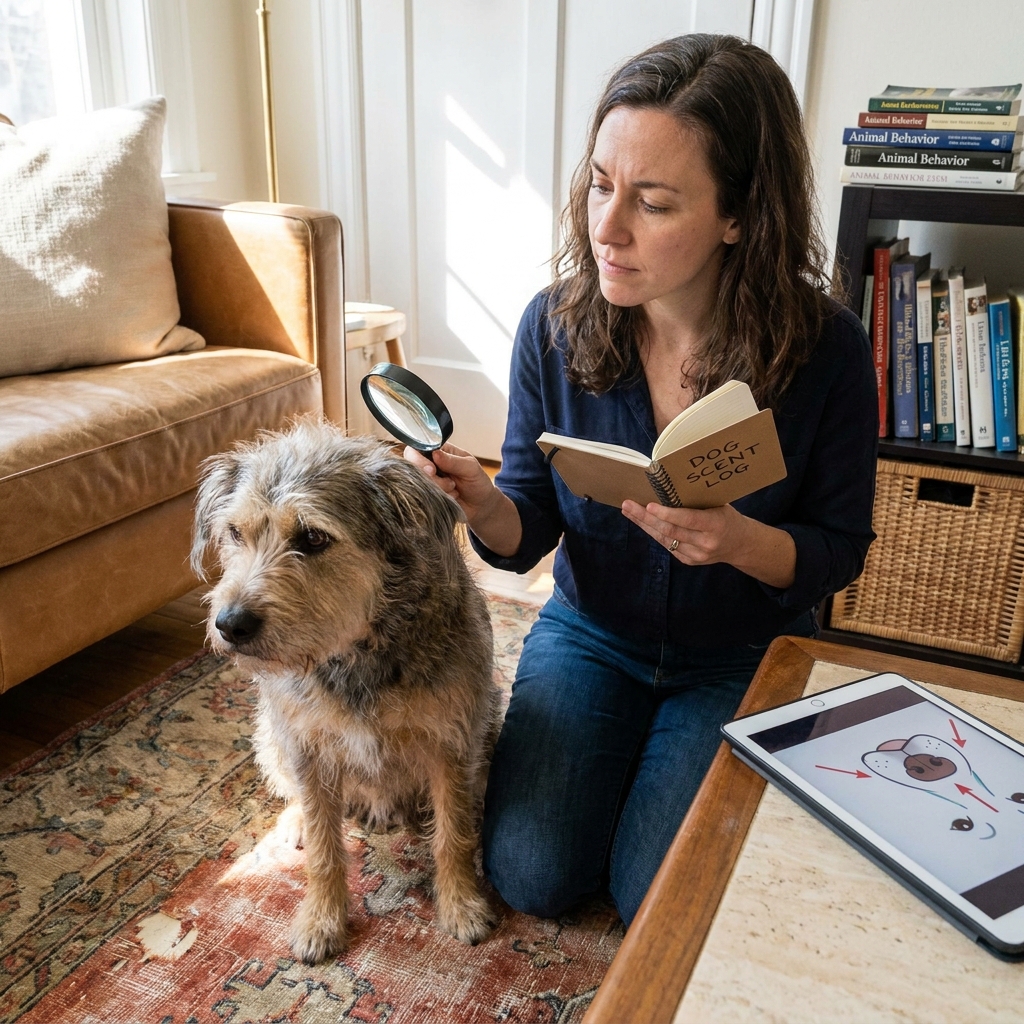
You give your dog a bath, dry them off, and within a day or two — that smell is back. Or maybe it’s a different smell entirely. Something musty, something fishy, or something that just doesn’t seem right. If you’ve ever sniffed your dog and thought, “What is that?”, you’re not alone. Dogs carry a whole range of odors, and not all of them mean the same thing.
Some smells are totally harmless. Others are your dog’s way of telling you something is off. Learning to tell the difference can help you catch small problems before they turn into bigger ones — and it can make life a lot more comfortable for both of you.
What Matters Most When It Comes to Dog Odors
Not every dog smell needs a trip to the vet. But some do. Before you panic or ignore it, here are the most important things to pay attention to:
- Is it a new smell? A sudden change in your dog’s odor is more concerning than a smell they’ve always had.
- Where is it coming from? Ears, mouth, skin, and rear end can each point to very different issues.
- Does it come back quickly after bathing? Persistent smells that return fast usually have an underlying cause.
- Is your dog acting differently? Scratching, scooting, shaking their head, or seeming uncomfortable alongside an odor is a red flag.
Once you know what to look for, you can start making sense of what your dog’s body is trying to communicate.
The Classic “Wet Dog” Smell — And Why It Happens
Let’s start with the most familiar one. That wet dog smell is something almost every dog owner knows well. It happens because your dog’s fur and skin are home to natural microorganisms — tiny bacteria and yeast that live there all the time. When your dog gets wet, those microorganisms release compounds into the air, and that’s what hits your nose.
This smell is completely normal and usually goes away as your dog dries. Drying your dog thoroughly after baths or swimming can help reduce it. Dogs with thicker coats tend to hold moisture longer, so they may smell stronger for a while.
Simple tip: Use a towel first, then let your dog air dry or use a low-heat dryer if they tolerate it. Make sure the skin underneath is dry too, not just the top coat.
Ear Odors: When It Goes Beyond Normal
Dog ears have a mild, natural scent. But when that smell becomes strong, sour, or yeasty, it’s usually a sign of trouble. Ear infections are one of the most common health issues in dogs, and smell is often the first clue something is wrong.
What an infected ear might smell like:
- Yeasty or bread-like (often a yeast overgrowth)
- Sour or rotten (bacterial infection)
- Musty and damp
Dogs with floppy ears — like Basset Hounds or Cocker Spaniels — are more prone to ear infections because moisture and warmth get trapped inside. Dogs who swim a lot or have allergies are also at higher risk.
If you notice your dog shaking their head, scratching at their ears, or tilting their head to one side along with the smell, it’s time to see a vet. Ear infections don’t usually resolve on their own and can become quite painful if left untreated.
Simple tip: Check your dog’s ears once a week as part of your regular routine. Healthy ears should look clean and pink with very little odor.
Skin and Coat Odors: More Than Just Dirt
Sometimes the smell seems to come from your dog’s whole body — not just one spot. This kind of all-over odor often comes from the skin itself, and it can have several causes.
Seborrhea is one common reason. This is when a dog’s skin produces too much oil, leading to a greasy, musty smell. It can also cause flaky or crusty patches of skin.
Allergies are another big one. Dogs with environmental or food allergies often develop secondary skin infections because they scratch and irritate their skin, allowing bacteria or yeast to move in. The smell from these infections can be quite strong — often described as musty, cheesy, or even like corn chips (a smell sometimes called “Frito feet”).
Hot spots — small, red, irritated patches of skin — can also develop a foul smell quickly. They appear suddenly and can get infected within hours.
Simple tip: Run your hands along your dog’s coat regularly. If you feel greasy patches, bumps, or find spots where your dog reacts to being touched, those areas may be the source of the smell.
Mouth Odors: What Bad Dog Breath Is Telling You
A little dog breath is normal. Very bad dog breath is not. If your dog’s mouth smells like something died in there, it’s worth paying attention to.
The most common cause is dental disease. Plaque and tartar build up on a dog’s teeth just like they do on ours. When left untreated, this leads to gum disease, tooth decay, and infection — all of which create a powerful, unpleasant smell.
But sometimes the mouth odor isn’t coming from the teeth at all. A sweetish or fruity smell could point to diabetes. A smell like ammonia or urine can sometimes indicate kidney problems. These are less common, but they’re worth mentioning because they show that what you smell on your dog’s breath can sometimes reflect what’s happening inside their body.
Simple tip: Look inside your dog’s mouth occasionally. Healthy gums are pink and firm. Yellow or brown buildup on the teeth, red or swollen gums, or any visible sores are signs to bring up with your vet.
Anal Gland Odors: The One Most People Don’t Know About
This is probably the most misunderstood source of dog odor — and it’s surprisingly common. Dogs have two small sacs on either side of their rear end called anal glands. These glands produce a strong-smelling fluid that dogs use to identify each other (it’s why dogs sniff each other’s rear ends when they meet).
Normally, these glands empty a little bit each time a dog has a bowel movement. But sometimes they don’t empty properly and become full or impacted. When this happens, you’ll notice a very strong, fishy smell — often appearing suddenly and seeming to come from nowhere.
Dogs with full anal glands will often scoot their rear end on the floor, lick or bite at their tail area, or seem uncomfortable when sitting.
This is one of those smells that rarely goes away on its own. A vet or groomer can express the glands manually, which provides quick relief for your dog.
Simple tip: If you suddenly smell something very fishy and your dog is scooting, don’t ignore it. It’s uncomfortable for them and easy to address once you know what it is.
Additional Tips and Common Mistakes
Now that you know the main sources of dog odor, here are a few extra things that can help you stay ahead of the problem:
Don’t over-bathe your dog. Bathing too frequently can strip the natural oils from your dog’s skin, which can actually make odor problems worse. Most dogs do well with a bath every few weeks, but this varies by breed and lifestyle.
Watch for patterns. If your dog smells worse after being outside in certain weather, after eating, or during certain seasons, that pattern can help you and your vet figure out what’s going on.
Regular grooming matters more than you think. Brushing your dog regularly removes dead skin cells, distributes natural oils, and helps you spot skin changes early. It also keeps the coat from trapping moisture and debris.
Don’t mask the smell — investigate it. It’s tempting to reach for sprays or deodorizing products, but covering up the smell doesn’t fix the cause. If a smell is persistent, something is causing it.
Talk to your vet. If you’ve noticed a smell that’s new, strong, or coming back repeatedly, bring it up at your next vet visit — or call sooner if your dog seems uncomfortable. Vets are used to these conversations and can often identify the cause quickly.
Final Thoughts
Your dog can’t tell you when something feels wrong. But their body sends signals all the time — and smell is one of the clearest ones. Learning to recognize the difference between a normal wet-dog smell and something that needs attention is one of the most practical things you can do as a dog owner.
You don’t need to become an expert in veterinary medicine. You just need to know your dog. Pay attention to where the smell is coming from, whether it’s new or different, and how your dog is acting. Those three things together will almost always point you in the right direction.
And when in doubt — trust your nose, and call your vet.
Frequently Asked Questions
How can I tell if my dog's smell is a sign of a health problem or just normal dog odor?
The key things to watch for are whether the smell is new or has changed suddenly, where it's coming from, whether it returns quickly after bathing, and whether your dog is showing other signs of discomfort like scratching, scooting, or head shaking. A familiar, mild smell is usually normal, while a strong, persistent, or unusual odor coming from a specific area like the ears, mouth, or rear end is more likely to signal an underlying issue worth investigating.
Why does my dog still smell bad right after a bath?
If the smell returns quickly after bathing, there is likely an underlying cause rather than simple surface dirt. Common culprits include skin conditions like seborrhea, yeast or bacterial infections, ear infections, or full anal glands. Bathing only masks these smells temporarily without addressing the root problem, so a persistent post-bath odor is worth discussing with your vet.
What does it mean if my dog smells fishy?
A sudden fishy smell almost always points to the anal glands, two small sacs located near your dog's rear end. When these glands become full or impacted, they release a strong fishy odor. You may also notice your dog scooting on the floor or licking at their tail area. A vet or groomer can quickly resolve this by manually expressing the glands.
Is bad dog breath ever a sign of something serious?
Yes, it can be. While mild dog breath is normal, a very strong or unusual odor from your dog's mouth often indicates dental disease, including plaque buildup, gum disease, or tooth infection. More rarely, a sweet or fruity smell could suggest diabetes, while an ammonia-like odor may point to kidney issues. If your dog's breath is noticeably bad or has changed recently, it is worth mentioning to your vet.
How often should I bathe my dog to manage odor?
Most dogs do well with a bath every few weeks, though this varies depending on breed, coat type, and lifestyle. Bathing too frequently can actually strip natural oils from the skin and worsen odor problems over time. Regular brushing between baths is equally important, as it removes dead skin cells, distributes natural oils, and helps you spot any skin changes early that might be contributing to smell.