The Joys of Adoption: Real Stories and Lessons from the Heart of Animal Rescue
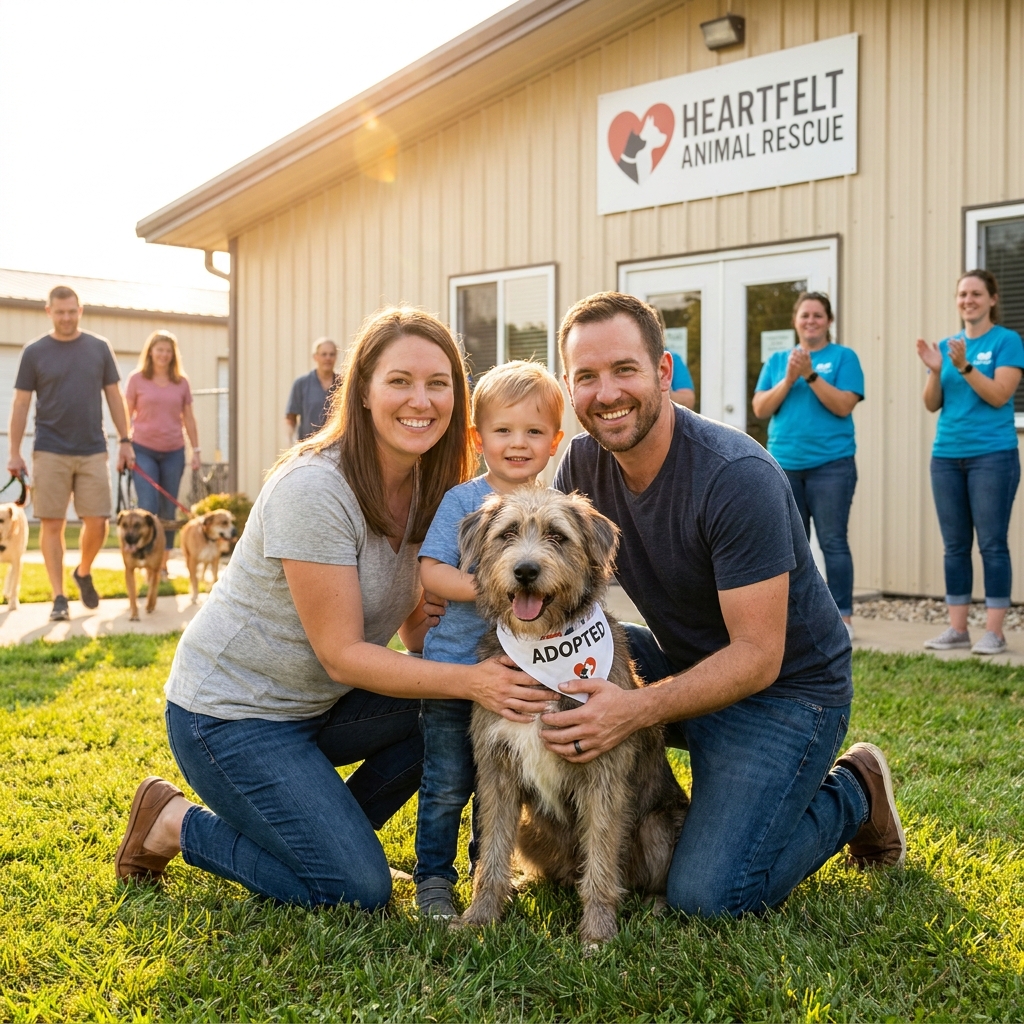
There is something truly special about the moment a rescued animal finally feels safe. Maybe it is the dog who spent weeks hiding in the back of a kennel, then one day walks up and puts his head in your lap. Or the cat who hissed at everyone for a month, then quietly curls up next to you on the couch. These moments do not happen by accident. They happen because someone — a volunteer, a shelter worker, a foster family, or an adopter — chose to show up for an animal who had no one else. Animal rescue is not just a service. It is a lifeline. And the stories that come out of it are some of the most moving you will ever hear.
If you have ever thought about adopting a rescued pet, volunteering at a shelter, or simply learning more about how animal rescue works, this guide is for you.
What Matters Most in Animal Rescue
Before diving into the different sides of animal rescue, it helps to understand what makes it work. Animal rescue is not one single thing. It involves shelters, foster homes, volunteers, emergency responders, and everyday people who open their hearts and homes. Every piece matters.
What truly makes a difference in an animal’s outcome is:
- Time and patience. Many rescued animals have been through trauma. They need space to heal.
- Consistency. Animals feel safe when they know what to expect each day.
- Human connection. A calm, kind presence can help even the most fearful animal begin to trust again.
- Community support. Animal rescue works best when more people get involved — whether through adopting, fostering, donating time, or spreading the word.
Understanding these core ideas will help you connect more deeply with whatever role you play in the rescue world.
How Animal Shelters Care for Animals in Need
Animal shelter care is the foundation of rescue work. When animals come in — whether they are strays picked up off the street, surrendered by owners, or brought in after an emergency — shelters become their temporary home.
Good shelters do much more than just provide food and a place to sleep. Staff and volunteers work hard to understand each animal’s personality, health needs, and history. Animals are assessed for behavior so they can be matched with the right adopter. Medical care is provided for injuries or illness. And just as importantly, animals receive socialization — time with people that helps them feel less afraid.
This level of animal shelter care takes real dedication. Many shelters are run with limited resources, relying heavily on community support to keep going. That is why even small acts — like donating blankets, walking dogs, or sharing an adoption post — make a real difference.
Simple tip: If you are thinking about adopting, spend some time at your local shelter before making a decision. Seeing how staff interacts with the animals can tell you a lot about how well the animals are being cared for.
The Work of Dog Rescue Organizations and Cat Rescue Centers
Breed-specific groups and species-focused rescues play a huge role in the animal rescue world. Dog rescue organizations often work with shelters to pull dogs who are at risk of being euthanized due to overcrowding. They place those dogs in foster homes while finding them permanent families.
Cat rescue centers do similar work, often focusing on community cats, kittens who need bottle feeding, or cats with special needs who might be overlooked in a busy shelter setting.
What makes these groups so valuable is their specialization. A dog rescue that focuses on a specific breed knows exactly what that breed needs — the exercise, the training approach, the common health issues. A cat rescue that works with shy or feral cats understands how to slowly build trust with animals that have had little human contact.
These groups also tend to offer strong support after adoption. Many provide guidance on training, behavior, and veterinary questions long after you bring your new pet home.
Simple tip: If you are looking to adopt a specific type of pet, reaching out to a breed-specific rescue or focused rescue group can help you find a great match.
Rescue Abandoned Animals: What Happens After They Are Found
Every animal rescue story starts somewhere. Sometimes it starts with a dog found tied to a fence. Sometimes it is a litter of kittens discovered in a dumpster. And sometimes it begins with someone deciding to save stray animals wandering in their neighborhood instead of looking the other way.
When someone steps in to rescue abandoned animals, the first hours are critical. An animal that has been living outside, especially for a long time, may be malnourished, injured, or deeply frightened. The goal in those first moments is to keep the animal calm and safe, and to get them medical help as quickly as possible.
After the initial rescue, the animal usually goes to a shelter, a rescue group, or a foster home. From there, the slow process of healing and rehabilitation begins. This can take days, weeks, or even months depending on the animal’s history and needs.
This part of rescue is not glamorous. It is quiet, patient, consistent work. But it is also where some of the most powerful transformations happen.
Simple tip: If you find a stray animal, do not panic. Stay calm, avoid sudden movements, and contact your local animal control or a pet rescue service in your area. They can guide you on the safest next steps.
Emergency Animal Rescue: When Time Is Everything
Some situations require an immediate response. Emergency animal rescue covers cases where animals are in immediate danger — animals trapped in natural disasters, injured wildlife on the road, or pets caught in house fires or floods.
In these situations, trained emergency responders and animal rescue volunteers work together to act fast. Wildlife animal rescue is a big part of this work, since wild animals often need specialized handling and care that goes beyond what general shelters can provide.
Emergency rescue requires both skill and compassion. Knowing how to safely approach a frightened or injured animal, how to handle wildlife without causing more harm, and how to stabilize an animal until professional help arrives — all of this takes training and experience.
If you ever find yourself in a situation where an animal needs emergency help, the most important thing to remember is to stay calm and call for professional support right away. Trained animal rescue teams are equipped to handle situations that can be unsafe for untrained individuals.
Simple tip: Keep the contact information for your local animal rescue service, wildlife rehabilitator, and emergency vet in your phone. In an emergency, those seconds saved can matter a lot.
Becoming an Animal Rescue Volunteer: How You Can Help
You do not have to adopt an animal to make a difference. Becoming an animal rescue volunteer is one of the most rewarding things you can do, and shelters and rescue groups almost always need more help than they have.
Volunteers do everything from walking dogs and socializing cats to helping with events, transporting animals to vet appointments, cleaning kennels, and providing foster care. Each of these roles plays a real part in helping animals find their forever homes.
Fostering is especially powerful. When you bring a rescue animal into your home temporarily, you are doing two things at once — freeing up space in the shelter and giving the animal a chance to experience life in a real home. This makes them calmer, more confident, and much easier to adopt out.
Many people who start as fosters end up adopting their foster animals too. In rescue circles, this is affectionately called a “foster fail” — and it is considered one of the best outcomes possible.
Simple tip: Start small. Even volunteering a few hours a month can have a big impact. Talk to your local shelter about what kinds of help they need most right now.
Common Mistakes to Avoid When Getting Involved in Animal Rescue
Even with the best intentions, it is easy to make mistakes when you are new to the rescue world. Here are a few to watch out for:
- Moving too fast with a new rescue pet. Give them time to decompress before introducing them to other pets, new people, or big experiences. Rushing can set back their progress.
- Expecting a rescue animal to be instantly grateful. Some animals take a long time to come out of their shell. That is not failure — it is just their timeline.
- Skipping the meet-and-greet. If you have other pets at home, always arrange a careful introduction before bringing a new animal home.
- Underestimating the commitment. Animal rescue adoption is a long-term promise. Think carefully about your schedule, living situation, and lifestyle before adopting.
- Forgetting to ask for help. Rescue groups and shelters want to support adopters and volunteers. If you are struggling, reach out. They have seen it all and can help.
Final Thoughts
Animal rescue is one of the most meaningful things our communities do. Every animal that finds a safe home, every volunteer who shows up week after week, every person who chooses to save stray animals instead of walking past — all of it adds up to something real. The stories that come out of rescue work remind us that patience, compassion, and consistency can change a life. Sometimes a small one with paws. And sometimes our own.
Frequently Asked Questions
How can I help with animal rescue if I'm not ready to adopt a pet?
There are many ways to get involved without adopting. You can volunteer at a local shelter by walking dogs, socializing cats, or helping with events. Fostering is another powerful option, giving animals a temporary home while freeing up shelter space. You can also donate supplies like blankets or food, share adoption posts on social media, or contribute financially to rescue organizations. Even a few hours a month can make a real difference.
What should I do if I find a stray or abandoned animal?
Stay calm and avoid sudden movements that could frighten the animal further. Do not attempt to handle an injured or aggressive animal on your own. Contact your local animal control agency or a pet rescue service in your area as soon as possible. If you can do so safely, try to keep the animal contained until help arrives. Having the contact information for local rescue services and an emergency vet saved in your phone ahead of time can save critical time in these situations.
Why do some rescue animals take so long to adjust to a new home?
Many rescued animals have experienced trauma, neglect, or extended periods without human contact. Trust takes time to rebuild. Some animals may hide, act fearful, or seem withdrawn for days, weeks, or even months. This is a normal part of their healing process, not a sign that something is wrong. Consistency, patience, and a calm environment are the most effective tools for helping a rescue animal feel safe and begin to open up.
What is the difference between a shelter and a rescue organization?
Animal shelters are typically physical facilities that house stray, surrendered, or abandoned animals and provide direct care including feeding, medical attention, and behavioral assessment. Rescue organizations, such as dog rescue groups or cat rescue centers, often operate through networks of foster homes rather than a central facility. Rescues frequently pull at-risk animals from shelters and may specialize in specific breeds or species, offering deeper expertise and post-adoption support tailored to those animals.
What is emergency animal rescue and when is it needed?
Emergency animal rescue involves responding to situations where animals face immediate danger, such as natural disasters, house fires, floods, or road accidents involving wildlife. Trained emergency responders and specialized volunteers handle these cases, using skills in safe animal handling and stabilization. Wildlife animal rescue is a significant part of this work, as wild animals require specialized care. If you encounter an animal in an emergency situation, the most important step is to stay calm and immediately contact trained professionals rather than attempting a rescue on your own.