
Decoding Your Dog: The Science Behind Your Pup's Quirky Behaviors
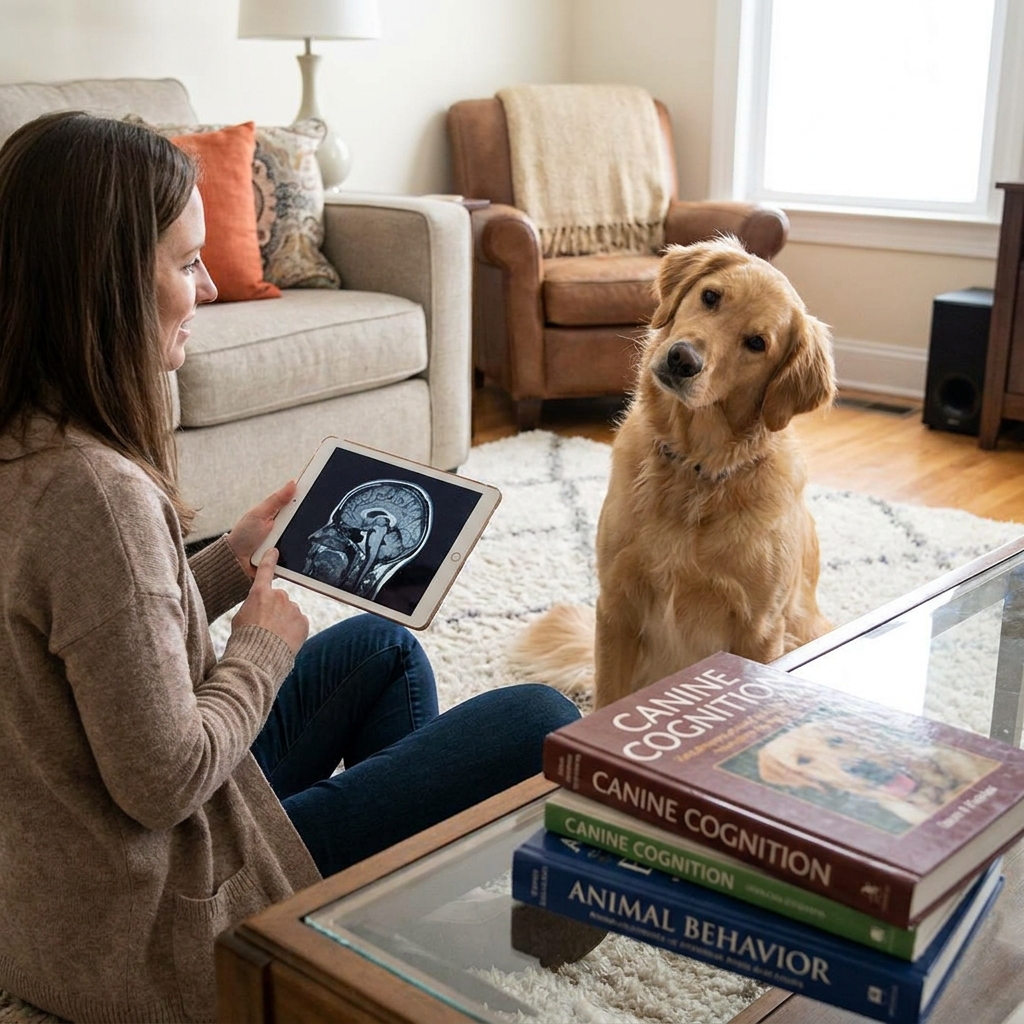
If your dog spins in circles before lying down, barks at nothing, or hides under the bed during thunderstorms, you’re not alone. Every dog does something that makes their owner tilt their head and think, “Why on earth do you do that?” These behaviors can seem random or even frustrating — especially if you’ve adopted a rescue dog who came with a few extra quirks. But here’s the good news: almost every strange or difficult behavior your dog shows has a reason behind it. And once you understand the why, it becomes so much easier to help them.
Whether you’re navigating dog behavior rescue challenges or just trying to figure out why your dog eats grass, this guide will help you decode what your pup is really trying to tell you.
What Matters Most: Seeing the Whole Picture
Before jumping into specific behaviors, it helps to take a step back and look at your dog as a whole. Behavior doesn’t happen in a vacuum. It’s shaped by:
- Past experiences — especially for rescue dogs, who may have experienced neglect, trauma, or instability
- Current environment — noise levels, routines, space, and how safe they feel at home
- Physical health — pain or illness can show up as behavioral changes
- Breed tendencies — some behaviors are deeply wired into certain breeds
- Social needs — how much connection and interaction your dog gets each day
When you’re working through rescue dog behavior or animal behavior problems, it’s important to look at all of these factors together. A dog who bites or cowers isn’t being “bad.” They’re communicating something. Your job — with a little patience and knowledge — is to learn how to listen.
Why Rescue Dogs Sometimes Act Differently
If you’ve recently welcomed an adopted dog, you may have noticed that they don’t act quite like what you expected. Maybe they’re fearful, overly clingy, or they shut down completely. This is completely normal, and it happens for real, science-backed reasons.
Dogs who come from shelters or difficult backgrounds often carry what animal behaviorists call a “stress history.” Their nervous systems have adapted to survive unpredictable or unsafe conditions. When those dogs land in a new home — even a wonderful, loving one — their brains and bodies are still running on that old survival programming.
The adopted dog adjustment period is real. Research shows it can take anywhere from a few weeks to several months for a rescue dog to fully relax and show their true personality. Some animal rescue professionals call this the 3-3-3 rule: three days to decompress, three weeks to learn a routine, and three months to truly feel at home.
Practical tips for the adjustment period:
- Keep the first few weeks calm and low-key
- Give your dog a quiet, consistent space of their own
- Avoid overwhelming them with visitors or outings too soon
- Let them set the pace for bonding — don’t force affection
Understanding Dog Fear and Anxiety
One of the most common rescue animal behavior challenges is fear. Fear-based behavior can look many different ways: cowering, hiding, growling, snapping, barking, or even freezing in place. For many rescue dogs, fear is the root cause of what might look like bad behavior on the surface.
Dog separation anxiety is also very common in dogs who’ve experienced abandonment or inconsistency. A dog with separation anxiety may bark for hours, destroy furniture, or have accidents in the house — not because they’re misbehaving, but because they’re genuinely distressed when left alone.
Understanding the difference between fear and defiance is key. A fearful dog needs reassurance, structure, and gradual exposure — not punishment.
How to Help an Anxious Dog
- Create a predictable daily routine (same feeding times, same walks, same bedtime)
- Use calm, low energy when entering and leaving the house
- Practice very short absences at first, then slowly increase the time
- Give your dog a “safe space” — a crate, corner, or room that’s just theirs
- Work with a certified animal behaviorist or trainer who understands rescue dog training methods
Dog Aggression: What’s Really Going On
Dog aggression in rescue dogs is one of the most misunderstood areas of dog behavior rescue. Many people hear the word “aggression” and assume the dog is dangerous or untrainable. But in most cases, aggression is a communication tool — and it usually comes from fear, pain, or a history of trauma.
There are different types of aggression to be aware of:
- Fear aggression — snapping or growling when a dog feels cornered or threatened
- Resource guarding — protecting food, toys, or space
- Redirected aggression — lashing out at the nearest person or animal when overstimulated
- Pain-induced aggression — a dog who is hurting may bite when touched
Dog aggression rescue cases often involve dogs who were never properly socialized as puppies, or who learned that growling and snapping was the only way to communicate that they were uncomfortable.
What to Do About Aggression
- Never punish growling — it’s a warning signal and suppressing it can lead to biting without warning
- Work with a professional who specializes in behavioral rehabilitation for dogs
- Rule out medical issues with a vet visit first
- Focus on building trust slowly, using positive reinforcement
- Identify the specific triggers and work to gradually reduce your dog’s reaction to them
Common Quirky Behaviors Explained by Science
Not all unusual dog behaviors are rooted in trauma or fear. Some are just… wonderfully dog. Here’s a quick science-backed look at a few favorites:
Circling Before Lying Down
This is an ancient instinct. Wild ancestors would circle to flatten grass and check for snakes or other dangers before resting. Your dog’s doing it on a memory foam bed, but the instinct is still very much alive.
Eating Grass
Dogs aren’t cows, but they do eat grass. Some do it when their stomach is upset, others just like the taste or texture. As long as the grass hasn’t been treated with chemicals, it’s generally harmless.
Zoomies (Frenetic Random Activity Periods)
Those wild bursts of energy where your dog sprints back and forth for no apparent reason? They’re called FRAPs, and they’re a totally normal way for dogs to release built-up energy or excitement. Think of it as a happy pressure release valve.
Chasing Their Tail
Occasional tail chasing is normal, especially in puppies. If it becomes obsessive or compulsive, it could be a sign of anxiety or a medical issue worth checking out.
Tilting Their Head
Dogs tilt their heads to better process sound and visual information. It also helps them read your facial expressions and words. It’s not just cute — it’s actually a sign they’re paying close attention.
Shelter Dog Training: Building Trust Through Consistency
One of the best things you can do for a rescue dog — or any dog struggling with animal behavior problems — is to invest in consistent, compassionate training. Shelter dog training isn’t about teaching tricks. It’s about communication. It helps your dog understand what’s expected, feel more confident, and build a stronger bond with you.
Positive reinforcement is the gold standard. This means rewarding the behavior you want to see, rather than punishing the behavior you don’t. Science shows that dogs learn faster and retain more when training is rewarding rather than fear-based.
Key training principles:
- Short sessions are better than long ones (5–10 minutes at a time)
- Always end on a positive note
- Be consistent — the same rules, every time, from everyone in the household
- Reward calm behavior, not just commands
- Be patient — behavioral rehabilitation in dogs takes time
Common Mistakes Pet Owners Make (And How to Avoid Them)
Even the most well-meaning pet owners make these common missteps when dealing with difficult dog behaviors:
Punishing fear-based behavior. Punishing a dog for growling, cowering, or having accidents out of anxiety makes things worse, not better. It adds to their fear and erodes trust.
Expecting too much too fast. Especially with rescue dogs, adjustment takes time. Rushing the process often backfires.
Inconsistency in rules. If the dog is allowed on the couch sometimes but not others, it creates confusion and stress. Clear, consistent boundaries help dogs feel safer.
Skipping the vet. Many animal behavior problems have an underlying physical cause. A dog who suddenly becomes aggressive or anxious should see a vet to rule out pain or illness.
Comparing your dog to other dogs. Every dog is different. A rescue dog especially needs to be seen as an individual with their own history and timeline.
Final Thoughts
Understanding dog behavior rescue challenges — or even just the everyday quirks of your happy house dog — starts with curiosity and compassion. Every behavior your dog shows is a form of communication. When you learn to read it with patience and a little science on your side, you’ll find that even the most confusing behaviors start to make perfect sense.
Your dog isn’t trying to make your life difficult. They’re just trying to navigate the world the best way they know how. And with your support, they can learn to do it with a whole lot more confidence and calm.
Frequently Asked Questions
How long does it take for a rescue dog to adjust to their new home?
The adjustment period varies from dog to dog, but animal rescue professionals often reference the **3-3-3 rule** as a general guideline: three days to decompress, three weeks to learn the routine, and three months to truly feel at home. Some dogs may take longer depending on their background and stress history, so patience is key.
What's the difference between fear-based behavior and defiance in rescue dogs?
Fear-based behavior — such as cowering, growling, hiding, or snapping — comes from a place of genuine distress, often rooted in past trauma or lack of socialization. Defiance implies a conscious choice to misbehave, which isn't how dogs typically operate. If your dog is acting out, it's almost always a form of communication rather than intentional bad behavior.
Is dog aggression in rescue dogs a sign that the dog is dangerous or untrainable?
Not at all. In most cases, aggression in rescue dogs is a communication tool driven by fear, pain, or trauma — not an indication that the dog is inherently dangerous. With proper professional guidance, positive reinforcement, and patience, many dogs with aggression issues can make significant progress through behavioral rehabilitation.
Why should you never punish a dog for growling?
Growling is a warning signal that a dog is uncomfortable or feeling threatened. Punishing it doesn't address the underlying cause — it simply suppresses the warning. This can actually make the situation more dangerous, as the dog may skip the growl entirely and go straight to biting without any prior indication.
What is dog separation anxiety, and how can it be managed?
Dog separation anxiety is a condition where a dog becomes genuinely distressed when left alone, often resulting in excessive barking, destructive behavior, or accidents indoors. It's especially common in dogs with histories of abandonment. Management strategies include establishing a consistent daily routine, practicing very short absences that gradually increase over time, creating a designated safe space for your dog, and working with a certified trainer or behaviorist who specializes in rescue dog training.