
Finding the Paw-fect Balance: Optimizing Exercise for Your High-Energy Dog
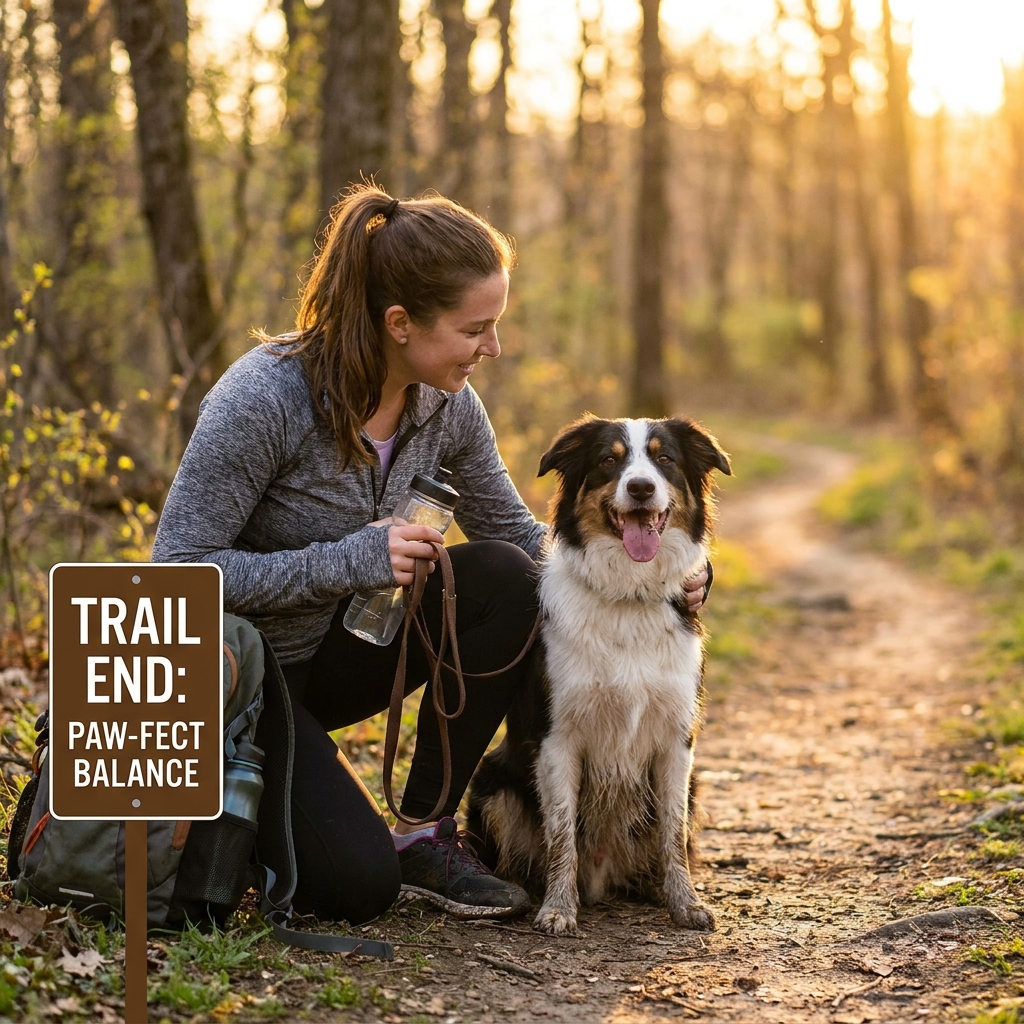
You got a dog full of energy, excitement, and enthusiasm — and now you’re wondering how to keep up. Maybe your pup races through the house, barks at everything, or seems impossible to tire out no matter how many walks you take. If that sounds familiar, you’re not alone. Living with a high-energy dog can feel overwhelming, but with the right approach to dog exercise training, it can also become one of the most rewarding experiences you’ll ever have.
The key isn’t just doing more — it’s doing the right things in the right way.
What Matters Most When Exercising a High-Energy Dog
Before you add an extra hour to your daily walks, it helps to understand what actually makes a difference for high-energy dogs. Not all exercise is created equal, and for some dogs, too much of the wrong kind can actually make behavior worse — not better.
Here’s what matters most:
- A mix of physical and mental activity. Running off energy through movement is great, but dog mental stimulation is just as important. A tired brain often makes for a calmer dog.
- Consistency over intensity. Short, regular sessions work better than one long exhausting outing once a week.
- Calm energy from you. Dogs read our moods closely. If training time feels tense or rushed, your dog will feel that too.
- Tailoring activity to your dog’s needs. A rescue dog with anxious dog care needs may require a very different approach than a young dog raised in a stable home.
Understanding these basics gives you a solid foundation before you even start.
Why High-Energy Dogs Need More Than Just a Run
It’s a common belief: a tired dog is a good dog. And while physical exercise absolutely matters, running or fetching alone won’t solve most behavior challenges in high-energy dogs.
Here’s why. When a dog runs hard without any mental focus involved, their body gets tired — but their mind stays wound up. Over time, some dogs actually build more physical endurance, making them harder to tire out. This is especially true for working breeds like border collies, Belgian Malinois, or high-drive terriers.
What these dogs really need is structured dog exercise training — movement that also requires focus, problem-solving, and engagement with their owner. Think of it this way: a 20-minute sniff walk where your dog is allowed to explore and use their nose can be more satisfying than a 40-minute jog with no mental engagement at all.
This is where dog enrichment activities become a game changer. Activities like hiding treats around the yard, puzzle-style feeding, or training new skills during a walk add mental challenge to everyday movement. The result? A dog that feels genuinely satisfied — not just physically drained.
Building a Balanced Exercise Routine
A balanced routine for high-energy dogs usually has three parts: physical movement, mental challenges, and rest. Yes, rest. Teaching your dog to settle and decompress is just as important as getting them moving.
Physical Exercise
Aim for regular, consistent activity that matches your dog’s age, breed, and health. Daily walks, play sessions, running in a safe space, or swimming (for dogs who love water) all count. The goal isn’t exhaustion — it’s healthy, productive movement.
Practical tips:
- Keep walks varied. New smells and sights are naturally stimulating.
- Use games like fetch or tug in a structured way — meaning you start and end the game, not your dog.
- If your dog is reactive dog management is a concern, opt for quieter routes or off-peak hours to reduce overstimulation.
Mental Stimulation
This is where many owners miss a big opportunity. Dog mental stimulation doesn’t require expensive equipment or hours of your time. Simple activities done consistently make a huge difference.
Try these:
- Practice known commands in new environments (sit, down, stay, come).
- Teach a new trick or skill each week — even simple ones keep the brain busy.
- Let your dog “work” for meals by scattering kibble in the grass or using a slow feeder.
- Hide their favorite toy and encourage them to find it.
Rest and Calm Time
High-energy dogs often don’t know how to settle on their own. Teaching calm dog training — where your dog learns to relax on a mat or in a designated spot — is one of the most valuable skills you can build.
Start with short sessions of a few minutes, reward quiet, calm behavior, and gradually increase the time. This isn’t just about convenience for you. It teaches your dog emotional regulation, which is a skill they’ll use every day.
Supporting Rescue Dogs and Anxious Dogs
If you’ve welcomed a rescue dog into your home, or if your dog shows signs of anxiety, your approach to exercise may need some adjustments. Rescue dog behavior can be unpredictable at first — not because there’s something wrong with the dog, but because they’re still figuring out their new world.
For anxious dog care, overwhelming a dog with too much activity too soon can backfire. Instead, focus on building trust through calm, predictable routines.
Here’s what helps:
- Start slow. Short, calm walks in quiet areas are better than busy parks early on.
- Let the dog set the pace. Allow sniffing and exploration — this is naturally calming for dogs.
- Watch for stress signals. Yawning, lip-licking, turning away, or refusing to move can all mean your dog is feeling overwhelmed, not stubborn.
- Build positive associations. Pair new experiences with good things — calm praise, small treats, or simply your reassuring presence.
For dogs going through shelter dog rehabilitation, working with a trainer or behaviorist is especially helpful. These dogs may have gaps in their history that affect how they respond to certain environments or activities.
Behavioral Modification and Exercise: How They Work Together
Exercise and behavior aren’t separate topics — they’re deeply connected. When dogs don’t get enough of the right kind of activity, behavioral problems tend to grow. Chewing, barking, jumping, and reactivity are often symptoms of an unmet need, not just “bad behavior.”
Behavioral modification for dogs works best when paired with a consistent exercise routine. Here’s a simple way to think about it: exercise creates a calmer baseline, and training builds the skills your dog needs to navigate the world.
For reactive dog management, structured exercise can help reduce the overall arousal level your dog carries through the day. A dog that’s been mentally and physically engaged in a healthy way is often less reactive than one who’s been cooped up or under-stimulated.
Some helpful pairings:
- Walk before training sessions. A dog that’s had a chance to move a bit is usually more focused and ready to learn.
- Use training during exercise. Ask for a sit at every corner, or practice loose-leash walking as its own skill.
- End active sessions with calm. Transition your dog from high energy to settle time with a consistent wind-down routine — a few quiet minutes, gentle praise, then rest.
Dog anxiety relief often comes naturally as these routines become familiar. Dogs are comforted by knowing what to expect.
Common Mistakes to Avoid
Even well-meaning owners can accidentally make things harder. Here are a few common pitfalls and how to sidestep them:
Too much, too soon. Ramping up exercise dramatically can lead to physical injury or mental overload. Increase gradually and watch how your dog responds.
Using exercise as punishment. Running a dog hard after bad behavior teaches them that you’re unpredictable — not that the behavior was wrong. Keep exercise positive and purposeful.
Skipping mental enrichment. If your dog is still restless despite plenty of walks, add in more dog enrichment activities. The brain needs a workout too.
Inconsistent routines. High-energy and anxious dogs thrive on routine. Try to exercise and train at similar times each day.
Ignoring body language. Your dog is always communicating. If they seem stiff, shut down, or overly frantic during exercise, take a step back and reassess.
Forgetting to rest yourself. Taking care of a high-energy dog is a marathon, not a sprint. Building a sustainable routine protects both of you.
The Bigger Picture
Optimizing exercise for a high-energy dog isn’t about finding the perfect formula overnight. It’s about paying attention, staying consistent, and growing alongside your dog. When you combine thoughtful dog exercise training with mental enrichment, calm routines, and patience, you start to see real change — not just in your dog’s behavior, but in your relationship.
The dog that once bounced off the walls? With time and the right approach, that same energy becomes a joyful, manageable part of daily life.
You’ve already taken the most important step: wanting to understand what your dog truly needs. That’s where every great dog-owner relationship begins.
Frequently Asked Questions
How much exercise does a high-energy dog actually need each day?**
There's no single magic number, but consistency matters more than duration. Short, regular sessions of physical activity combined with mental stimulation are more effective than one long, exhausting outing once a week. The right amount depends on your dog's age, breed, and health — the goal is healthy, productive movement, not complete exhaustion. **Q: Why does my dog still seem restless even after a long run?** A: Physical exercise alone often isn't enough for high-energy dogs. When a dog runs hard without any mental focus involved, their body gets tired but their mind stays wound up. Over time, some dogs even build more endurance, making them harder to tire out. Adding dog mental stimulation — like puzzle feeders, nose work, or learning new commands — engages the brain and leads to a deeper, more genuine sense of satisfaction and calm. **Q: What's the best approach to exercising a rescue or anxious dog?** A: Start slow and keep things calm and predictable. Short walks in quiet areas are better than busy, overwhelming environments early on. Let your dog sniff and explore at their own pace, watch for stress signals like yawning or lip-licking, and build positive associations with new experiences. Overwhelming a rescue or anxious dog with too much activity too soon can backfire, so focus on building trust first. **Q: Can exercise help reduce my dog's reactive or problem behaviors?** A: Yes — exercise and behavior are deeply connected. When dogs don't get enough of the right kind of activity, issues like barking, chewing, jumping, and reactivity often grow. A consistent routine of physical movement and mental enrichment lowers your dog's overall arousal level, creating a calmer baseline that makes behavioral training more effective. A short walk before a training session, for example, can help your dog focus and learn more readily. **Q: How do I teach my high-energy dog to calm down and settle?** A: Calm dog training is a learned skill, not something most high-energy dogs figure out on their own. Start by designating a specific spot — like a mat — and reward your dog for quietly resting there. Begin with just a few minutes at a time and gradually increase the duration. Consistently ending active sessions with a wind-down routine, such as gentle praise and quiet time, helps your dog learn to transition from high energy to rest and builds emotional regulation over time.