
7 Essential Benefits of Dog Fostering in the Twin Cities: A Complete Guide
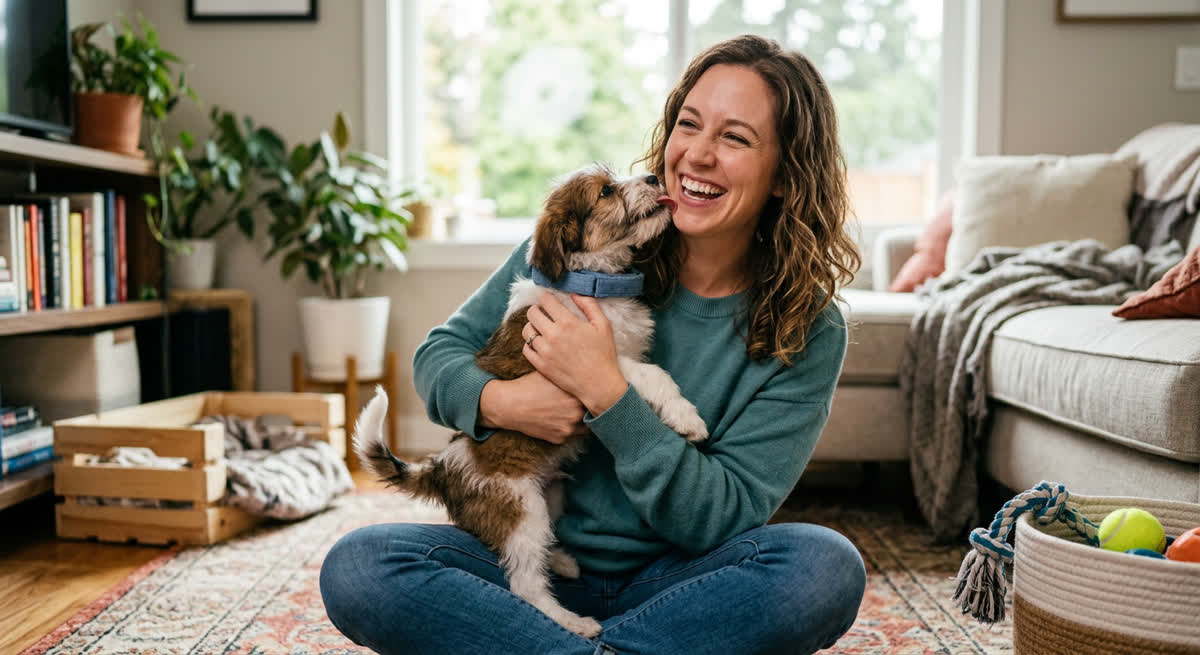
Dog fostering in the Twin Cities offers a meaningful way to help rescue animals. When you foster through Minneapolis or St. Paul animal rescues, you provide temporary shelter for dogs awaiting permanent homes. Many rescues operate through foster networks rather than traditional kennels, relying on community members to open their homes.
What is Dog Fostering?
A Temporary Home for Your Foster Dog
Fostering involves welcoming a pet into your home temporarily. Most Twin Cities rescues lack large facilities and depend on foster home networks instead. Foster homes provide safe, comfortable environments where dogs can decompress. Some dogs stay for weeks; others remain for months. The objective remains consistent: ensuring the dog’s safety and wellbeing while finding permanent families.
Bridging the Gap Between Shelter and Home
Many dogs arrive from difficult backgrounds or overcrowded shelters. Foster care allows them to experience home life and learn that humans are kind and that they will always have food and a warm place to sleep. This transition helps dogs develop confidence before adoption.
Why Twin Cities Animal Rescues Need Your Help
Saving Space in Shelters
When you foster, you help two dogs: the one in your home and another who can enter the shelter. This prevents overcrowding, particularly critical during Minnesota winters when animals need indoor shelter.
Learning About the Dog
Foster parents become animal detectives, observing behaviors that help rescues match dogs with suitable families. Understanding a dog’s preferences and quirks enables better adoptive placements.
The 7 Big Benefits of Dog Fostering for Animals
1. Less Stress and More Love
Foster homes offer dramatic improvements over shelter environments. Dogs enjoy relaxation, soft beds, and individual attention. A happy dog is a healthy dog, and comfort allows true personalities to emerge.
2. Learning Good Manners Through Dog Fostering
Foster settings provide ideal training opportunities. Teaching basic commands like “sit” and “stay” improves adoptability without requiring professional trainers. Daily practice makes meaningful differences.
3. Building Confidence
Dogs from difficult backgrounds often arrive fearful or uncertain. A calm home environment gives them the time and space to build trust at their own pace, making them far more adoptable.
4. Socialization Opportunities
Foster homes expose dogs to everyday household sounds, routines, and people. This real-world experience is invaluable preparation for life in a permanent family.
5. Individual Attention
Unlike shelter environments where staff care for many animals, foster dogs receive one-on-one attention. This focused care accelerates recovery from illness, trauma, or neglect.
6. Better Health Outcomes
The reduced stress of a home environment supports immune function and recovery. Dogs in foster care often gain weight, improve coat condition, and bounce back from illness faster than those in kennels.
7. A Second Chance at Life
For dogs that struggle in shelter environments — due to anxiety, age, or medical needs — foster care can be the difference between finding a home and running out of time.
The Joy of Dog Fostering for You
Love and Companionship
Fostering suits people who love dogs but aren’t ready for long-term ownership. You experience the joy of pet companionship while meeting diverse personalities.
Helping Your Community
Participating in Twin Cities fostering programs connects you with like-minded volunteers. You contribute meaningfully to local animal welfare while building community connections.
Common Myths About Dog Fostering Debunked
“It’s Too Hard to Say Goodbye”
While goodbyes carry sadness, the happiness of watching your foster dog transition to a loving family often outweighs it. When one dog gets adopted, it means you have an empty spot to save another dog.
“It Costs Too Much Money”
Rescues typically cover veterinary expenses, medications, and food. Foster parents provide housing, toys, and love — making fostering financially accessible for most families.
How to Get Started with Dog Fostering in the Twin Cities
Finding a Twin Cities Rescue
Search online for rescues matching your preferences. Some specialize in large breeds, small dogs, or specific types like Labradors or Golden Retrievers. Browse rescues in Minnesota to find organizations that match what you’re looking for.
Filling Out the Application
Rescues request information about your home, schedule, and existing pets. This ensures appropriate matches between dogs and foster families.
Setting Up Your Home for Dog Fostering Success
Creating a Safe Space
Establish a quiet zone where foster dogs feel secure. This could include a crate, bedroom, or designated corner. Removing hazards like shoes and electrical cords prevents accidents.
Creating a Routine
Dogs thrive on consistency. Feeding, walking, and playtime at regular intervals help foster dogs adjust quickly.
Transform a Dog’s Life Through Dog Fostering Today
Dog fostering creates transformative experiences filled with tail wags and happy moments. By opening your home, you provide second chances. Whether in Minneapolis or the St. Paul suburbs, dogs await foster families ready to make a difference in their lives and in the community.
Ready to get started? Browse animal rescues in the Twin Cities to find an organization near you that is looking for foster families.
Frequently Asked Questions
How long does a foster dog stay with me?
Duration varies. Some dogs find homes within days; others stay months. Rescues typically provide timeframe estimates upfront.
Can I foster if I already have a dog or cat?
Yes. Rescues match foster dogs compatible with existing pets and introduce them carefully.
What happens if the foster dog gets sick?
Contact your rescue immediately. Most arrange veterinary care and cover expenses while you provide transportation and home care.
Do I get to pick which dog I foster?
Rescues attempt matches based on your preferences and capabilities. You can decline unsuitable pairings.
What if I want to adopt my foster dog?
"Foster fails" represent successes. You typically can apply to adopt dogs you have fostered, and rescues appreciate their placement in trusted homes.