
Sustainable Solutions for Dog Potty Areas: Beyond the Browning Sod
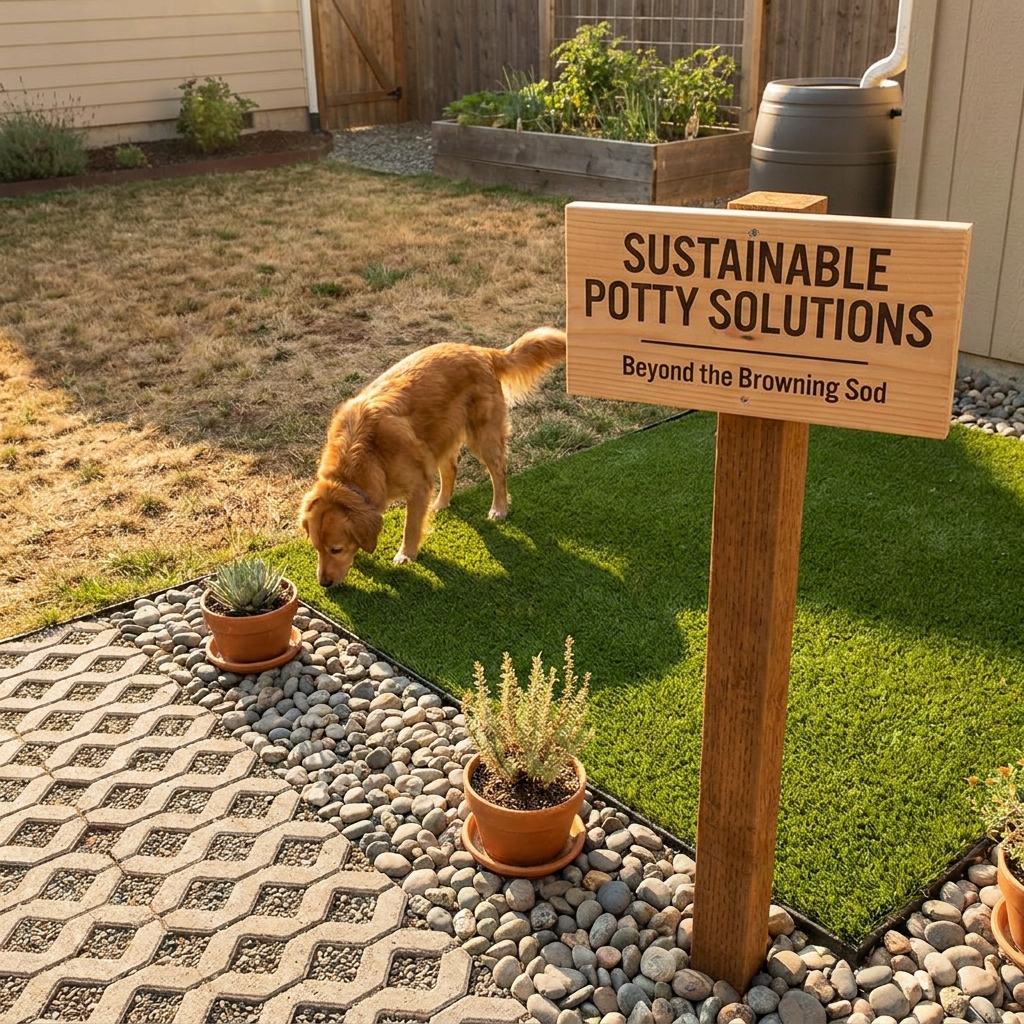
If you have a dog, you know the struggle. There’s that one corner of the yard that’s always brown and patchy. The grass won’t grow back, the smell lingers after rain, and you’re not sure what to do about it. Or maybe you live in an apartment and you’re tired of hauling your pup downstairs five times a day. Either way, you’re probably looking for a better solution — one that works for your dog and doesn’t leave a big footprint on the planet.
The good news is that eco-friendly dog potty options have come a long way. You don’t have to choose between a healthy yard and a happy dog. And you don’t have to rely on plastic pads that pile up in landfills. With a little know-how, you can set up a dog potty area that’s sustainable, manageable, and kind to the earth.
Here’s a friendly guide to help you think through your options and find what works best for your home and your dog.
What Matters Most When Choosing an Eco-Friendly Dog Potty Setup
Before you pick a method, it helps to think about what you actually need. Every dog and home situation is different. Here are the key things to consider:
Your space. Do you have a yard, a balcony, or just an indoor area? The space you have will shape what’s possible.
Your dog’s size and habits. A small dog has very different needs than a large breed. Frequency and volume matter when it comes to waste management.
Your comfort with maintenance. Some setups take more daily care than others. Be honest with yourself about how much time you can give.
Your environmental values. If reducing plastic and chemical use matters to you, look for biodegradable pet products and natural materials.
Your dog’s training stage. If your dog is still learning, consistency is key. Your setup needs to support good dog potty training habits.
Once you have a sense of these factors, choosing the right approach gets a lot easier.
Section 1: Real Grass Potty Areas — A Natural Option Worth Protecting
A real grass potty area is one of the most natural choices you can make. Dogs are drawn to grass instinctively, which can make training smoother. But grass doesn’t hold up well to repeated use in the same spot.
Why Grass Gets Damaged
Dog urine is high in nitrogen. A little nitrogen is actually good for grass — but too much burns it. That’s why you get those brown rings and dead patches. Over time, the soil underneath also becomes compacted and over-saturated.
How to Make Real Grass Work
- Rotate the area. Instead of letting your dog use the same patch every day, create two or three grass zones and rotate between them. This gives each spot time to recover.
- Rinse the area with water after use. Diluting urine with water right away helps protect the grass and cuts down on odor.
- Choose hardy grass varieties. Some grass types handle pet use better than others. Ask your local garden center what grows well in your climate.
- Add a designated border. Use natural edging like stones or wood to create a clear potty zone. This helps with dog potty training because it gives your dog a consistent, defined space.
Natural grass is a great eco-friendly pet solution when managed well. The soil acts as a natural filter, breaking down waste over time without the need for disposable products.
Section 2: Artificial Turf — Not Always the Green Choice It Seems
Artificial turf looks tidy and stays green year-round. It’s become popular for dog potty areas, especially in urban homes. But it’s worth understanding the full picture before going this route.
The Downside of Artificial Turf
Most artificial turf is made from plastic, which doesn’t break down. Urine soaks through the turf but can build up underneath, causing odor over time. Cleaning it properly usually requires water and sometimes chemical rinses. From a sustainable pet care standpoint, plastic turf has real drawbacks.
When It Makes Sense
If you live somewhere with very little outdoor space and real grass isn’t an option, a well-maintained turf patch can still be better than disposable pads. The key is choosing turf with good drainage, rinsing it regularly with clean water, and avoiding harsh chemical cleaners.
Section 3: Natural Grass Potty Pads — A Biodegradable Middle Ground
For apartment dwellers or people who need an indoor dog potty solution, natural potty grass trays have become a popular choice. These are trays filled with real, living grass that can be used indoors or on a balcony.
Why Natural Grass Works Indoors
Dogs respond well to real grass because it smells and feels familiar. This can actually make dog potty training easier, especially for puppies. The natural grass potty absorbs urine naturally, and the soil underneath helps break it down.
The Eco-Friendly Advantage
Unlike plastic pee pads, natural grass is fully biodegradable. When the grass is spent, you can compost the soil or dispose of it without adding plastic to a landfill. This makes it a much better fit for anyone focused on biodegradable pet products and reducing waste.
Tips for Indoor Grass Potty Use
- Place the tray in a consistent spot so your dog always knows where to go.
- Keep it away from your dog’s food and sleeping area.
- Refresh the grass regularly — most indoor grass patches last about one to four weeks depending on your dog’s size.
- Use a tray with good drainage to keep things clean and odor-free.
Section 4: Gravel and Mulch Areas — Practical and Low-Maintenance
Another eco-friendly dog potty approach is using a gravel or mulch area in your yard. These materials drain well, are easy to clean, and don’t die like grass does.
Gravel Potty Areas
Gravel allows urine to drain away quickly, which reduces odor and keeps the area from getting waterlogged. It’s easy to rinse off and doesn’t need to be replaced often. Look for natural, untreated gravel without dyes or coatings.
Wood Mulch or Cedar Chips
Natural wood mulch, especially cedar, has mild odor-absorbing properties. It’s a biodegradable option that breaks down over time and can be added to compost. Avoid mulch with chemical treatments or dyes.
Tips for Gravel and Mulch Areas
- Create a defined, contained area using borders to help your dog learn where to go.
- Rake mulch or rinse gravel regularly to manage waste and odor.
- Pick up solid waste daily — this is important for any potty area setup.
- Replace mulch periodically as it breaks down and absorbs waste.
Section 5: Pet Waste Management — The Part Most People Overlook
No matter what type of dog potty area you choose, how you handle the waste matters just as much. Pet waste management is a big part of sustainable pet care.
The Problem with Plastic Bags
Most people use plastic bags to pick up dog waste. Those bags take hundreds of years to break down in a landfill. Even bags marketed as “compostable” often require special conditions to break down properly.
Better Alternatives
- Certified compostable bags — Look for bags certified to break down in home composting conditions, not just industrial facilities.
- Pet waste composters — These are special in-ground systems designed to break down dog waste safely in your yard. They’re different from regular compost bins and shouldn’t be used for food waste.
- Flush-and-dissolve systems — Some pet owners use flushable waste bags or dissolvers that allow waste to be flushed into the sewage system, where it’s treated properly.
- Newspaper or paper bags — Simple and biodegradable, though less convenient for outdoor walks.
Solid waste should never go into regular compost that you’ll use on food gardens. It can carry bacteria and parasites that aren’t safe for humans.
Common Mistakes to Avoid
Even with the best intentions, it’s easy to slip up when setting up an eco-friendly dog potty system. Here are a few pitfalls to watch for:
Not being consistent with location. Dogs learn through repetition. If you keep changing where you want them to go, training takes longer. Pick a spot and stick with it.
Letting waste sit too long. Whether it’s a grass patch, gravel area, or indoor tray, letting waste build up creates odor, attracts flies, and makes cleanup harder. Daily pickup makes everything easier.
Using harsh chemical cleaners. Strong disinfectants can harm the environment and may actually discourage your dog from using the area because they erase natural scent markers. Rinse with plain water first and use mild, pet-safe cleaners when needed.
Ignoring drainage. A potty area that doesn’t drain well becomes a muddy, smelly mess fast. Good drainage is one of the most important features of any setup.
Expecting zero maintenance. Even the most sustainable setups need regular attention. Build a simple maintenance routine into your week.
Bringing It All Together
Creating an eco-friendly dog potty area doesn’t have to be complicated or expensive. It’s really about matching the right approach to your home, your dog, and your values. Whether you go with a rotating real grass zone, an indoor natural grass tray, a gravel area, or a combination of methods — the goal is the same: a clean, consistent, comfortable space for your dog that’s also gentle on the planet.
Sustainable pet care is a journey, not a single purchase. Small changes — like switching to biodegradable bags, rinsing your grass after use, or composting spent grass pads — all add up. Your dog doesn’t need a perfect yard. They just need a reliable spot and a caring owner who’s willing to put in a little thought and effort.
That’s already a great start.
Frequently Asked Questions
What is the most eco-friendly option for an indoor dog potty?
Natural grass potty trays are one of the best eco-friendly options for indoor use. They use real, living grass that dogs respond to naturally, which can also make potty training easier. Unlike plastic pee pads, the grass and soil are fully biodegradable — when the grass is spent, you can compost the soil rather than sending plastic to a landfill. Most indoor grass patches last one to four weeks depending on your dog's size.
How can I stop dog urine from killing the grass in my yard?
The key is to dilute and rotate. Rinse the area with water immediately after your dog urinates to dilute the nitrogen before it burns the grass. You should also create two or three designated grass zones and rotate between them, giving each spot time to recover. Choosing hardier grass varieties suited to your climate can also help the lawn hold up better over time.
Are compostable dog waste bags actually better for the environment?
They can be, but it depends on the certification. Many bags labeled "compostable" only break down properly in industrial composting facilities, not in home bins or landfills. Look specifically for bags certified to break down under home composting conditions. For an even more sustainable approach, consider a pet waste composter or a flush-and-dissolve system that routes waste into the sewage treatment system.
Is artificial turf a good eco-friendly choice for a dog potty area?
Artificial turf is not the most sustainable option since it is made from plastic that does not biodegrade. Urine can also build up underneath over time, causing odor that requires chemical cleaners to manage. That said, if outdoor space is very limited and real grass is not possible, well-draining turf maintained with regular water rinsing can still be a better choice than disposable plastic pads. Just go in with realistic expectations about upkeep.
What low-maintenance alternatives to grass work well for a dog potty area?
Gravel and natural wood mulch are both practical, low-maintenance options. Gravel drains well, reduces odor, and is easy to rinse clean. Natural cedar chips have mild odor-absorbing properties and are biodegradable. Both materials hold up better than grass under repeated use and do not require watering or regrowth time. The most important maintenance step with either option is picking up solid waste daily and rinsing or raking the area regularly to keep odor and bacteria under control.