
Rescue Dog Adoption: How to Help Your New Dog Settle In and Sleep Through the Night
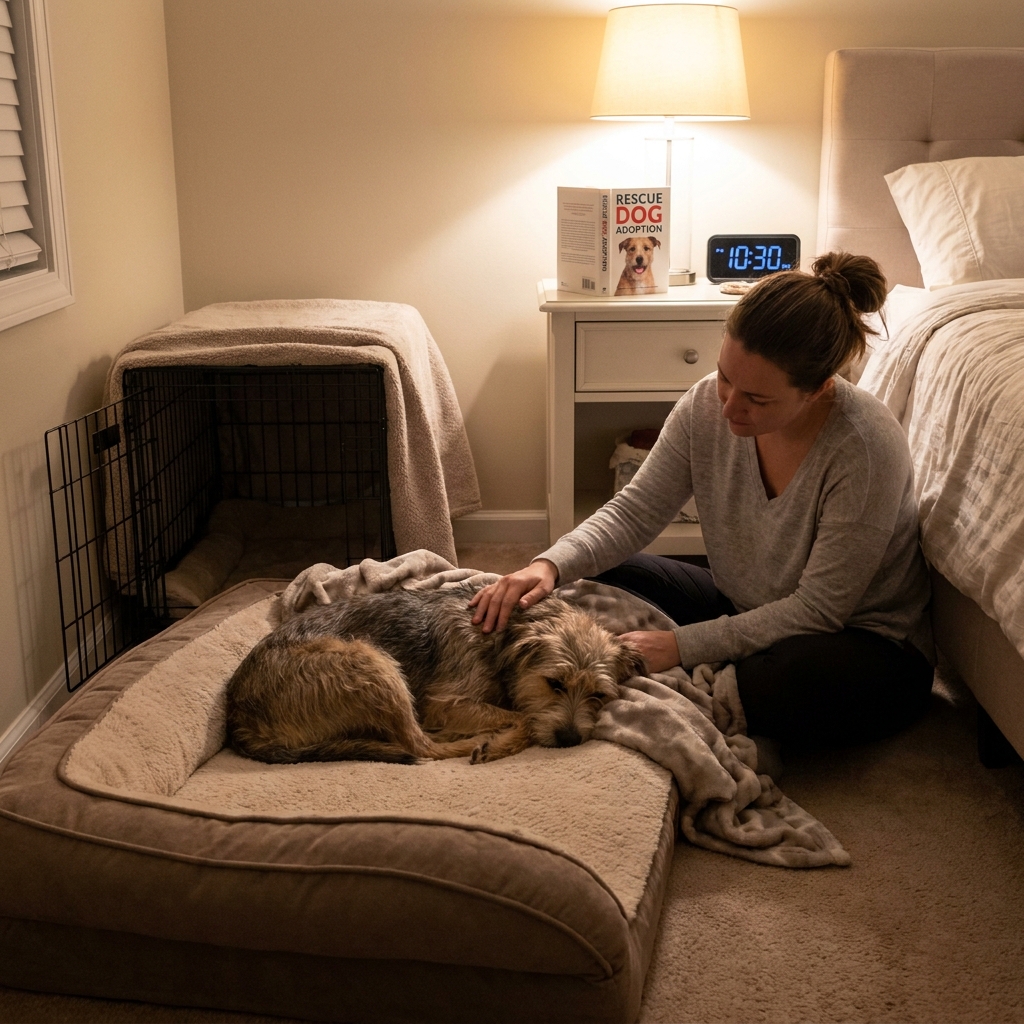
Bringing home a rescue dog is one of the most rewarding things you can do. But those first few weeks? They can feel a little overwhelming — for both of you. Your new dog may pace, whine, refuse to eat, or cry through the night. You might wonder if you did something wrong or if things will ever calm down. The good news is that this is completely normal. Rescue dog adoption comes with a learning curve, and understanding what your dog is going through makes all the difference.
What Matters Most in the First Weeks of Rescue Dog Adoption
Before diving into routines and training, it helps to understand one big idea: your rescue dog doesn’t know yet that they’re home for good.
Most rescue dogs have been through a lot — shelters, foster homes, sometimes neglect or trauma. Everything in your house is brand new to them. The smells, the sounds, the people, the schedule. Their nervous system is on high alert, and that takes time to calm down.
Here’s what matters most right now:
- Safety over training. Your dog needs to feel safe before they can learn anything new.
- Patience over perfection. Some days will go backwards. That’s okay.
- Consistency over intensity. A calm, predictable routine does more than any trick or technique.
- Rest over activity. Many new rescue dog owners over-stimulate their dog in the first days. Quiet time is healing.
Keep these in mind as you move through the first weeks. They’ll guide every decision you make.
Understanding Rescue Dog Decompression
You may have heard the phrase “rescue dog decompression” — and it’s one of the most important concepts to understand when adopting rescue dogs.
Decompression is the period of time your dog needs to simply decompress from everything they’ve been through. Think of it like coming home from a long, stressful trip. You don’t want to jump straight into a packed schedule. You want to sit down, breathe, and slowly get back to normal.
For most rescue dogs, this process takes anywhere from a few days to several weeks. Some dogs bounce back quickly. Others — especially those with trauma histories — may need a few months before they truly relax.
During the decompression period, you may notice your new rescue dog:
- Sleeping a lot (or not sleeping at all)
- Refusing food or eating too fast
- Hiding or staying close to one person
- Pacing, panting, or seeming restless
- Testing boundaries as they begin to feel more comfortable
None of this is bad behavior. It’s adjustment. Your job during this time is to keep things calm, quiet, and consistent.
Practical tip: Try to limit visitors and big events in the first week or two. Let your dog explore the house at their own pace. Don’t force cuddles or interaction — let them come to you.
Building a Routine That Helps Rescue Dogs Feel Safe
Dogs are creatures of habit. When everything feels unpredictable, a routine becomes their anchor. This is especially true for a new rescue dog who has never known what to expect next.
A simple daily routine doesn’t need to be strict — it just needs to be consistent. Wake up around the same time. Feed meals at the same times. Go outside at predictable intervals. Wind down in the evenings the same way.
Here’s why this works: routine tells your dog what’s coming next. And when a dog knows what to expect, their anxiety drops. Over time, they stop being on high alert because the world has become predictable and safe.
Rescue dog tips for building routine:
- Morning walks at the same time help set the tone for the day
- Feeding times should be regular — twice a day is standard for most adult dogs
- Quiet time in the afternoon lets your dog rest and recharge
- Evening wind-down signals that sleep is coming and helps ease nighttime anxiety
- Consistent sleep location helps your dog feel secure at night
The more your dog can predict the rhythm of the day, the faster rescue dog adjustment happens.
Helping Your Rescue Dog With Nighttime Challenges
Nighttime is often the hardest part of rescue dog adoption — especially in the first few weeks. When the house gets quiet and dark, many dogs struggle. They may whine, bark, pace, or try to scratch at doors. For a dog used to the noise and activity of a shelter, silence can actually feel strange and unsettling.
Here’s what’s happening: nighttime removes all the daytime distractions. Your dog is left alone with their own thoughts, feelings, and fears. Without a sense of security, the anxiety can spike.
Why some rescue dogs struggle at night:
- They’re not used to sleeping alone or in a quiet space
- They may have had traumatic experiences during nighttime hours
- The transition from shelter to home disrupts all their normal patterns
- They’re still figuring out if this place — and these people — are safe
How to help rescue dogs through nighttime:
- Put their sleeping area close to you in the beginning. A crate or dog bed near your bedroom can help them feel less alone.
- Use a consistent pre-sleep routine. A short walk, some quiet time, and settling in at the same hour each night trains their body to expect sleep.
- Avoid going back and forth when they cry. Going in and out repeatedly can accidentally teach them that crying brings attention. Instead, settle them once with calm, quiet reassurance, then hold firm.
- Make their sleeping space cozy and safe. A covered crate can feel den-like and comforting for dogs who feel exposed in open spaces.
- Give them something that smells like you. An old t-shirt or worn item near their sleeping spot can be surprisingly soothing.
Some nights will be rough. That’s part of the process. But with consistency, most dogs begin sleeping through the night within two to four weeks.
Rescue Dog Training in the Early Weeks
Many people want to dive straight into rescue dog training the moment they get home. And while some basic structure is helpful, it’s important to wait until your dog has had some time to decompress before expecting much.
That said, a few gentle guidelines from the start can help your dog feel more grounded — not less.
What to focus on early:
- Name recognition. Say their name in a happy, calm tone and reward them when they look at you. Simple and powerful.
- Basic boundaries. Gently and consistently guide them on where they can and can’t go. No need for punishment — just calm redirection.
- Leash manners. Short, calm walks help them get used to the neighborhood without overwhelming them.
- Positive reinforcement. Reward good behavior with treats, praise, or gentle affection. This builds trust faster than anything else.
Avoid overwhelming your first rescue dog with too many rules at once. Start small. As they settle in and feel safer, their ability to learn and respond will grow naturally.
Remember: rescue dog behavior in the first weeks is not always a true reflection of who they are. Give them time before drawing conclusions about their personality or temperament.
Common Mistakes to Avoid With a New Rescue Dog
Even the most well-meaning pet owners can accidentally make the adjustment harder. Here are a few common mistakes — and how to avoid them.
Doing too much too soon. It’s tempting to take your new dog everywhere and introduce them to everyone right away. But overstimulation can actually increase anxiety. Keep the first week or two low-key.
Expecting too much too fast. Your dog may not bond with you on day one. That’s normal. Rescue dog settling is a process, not an event. Some dogs take weeks before they truly relax and show their real personality.
Skipping structure because you feel bad. It’s easy to let rules slide because you want your dog to feel happy. But structure is actually what makes dogs feel safe. Gentle, consistent rules are a gift — not a punishment.
Reacting big to nighttime crying. Rushing in with lots of energy and emotion when your dog cries at night can accidentally reinforce the behavior. Keep nighttime reassurance calm and brief.
Comparing your dog to others. Every rescue dog is different. Some adjust in days. Others take months. Try to stay focused on your dog’s individual journey rather than what someone else’s dog is doing.
A Final Word for New Rescue Dog Owners
Rescue dog adoption is a journey — and the first weeks are just the beginning. Those hard nights and uncertain moments don’t last forever. With patience, consistency, and a calm presence, most dogs transform in ways that will genuinely surprise you.
The dog who cowered in the corner during week one often becomes the dog who greets you at the door with a wagging tail by week eight. The dog who cried every night eventually learns that the quiet is safe, and that you’ll be there in the morning.
Trust the process. Trust your dog. And trust yourself — because the fact that you’re here, learning how to help them, already says everything about the kind of home they’ve landed in.
Frequently Asked Questions
How long does rescue dog decompression take?
Decompression timelines vary from dog to dog. Most rescue dogs need anywhere from a few days to several weeks to begin settling in. Dogs with trauma histories may need a few months before they truly relax. The key is to be patient, keep things calm and consistent, and let your dog adjust at their own pace rather than pushing them to adapt faster than they're ready to.
Why is my new rescue dog not eating or sleeping normally?
This is completely normal during the early stages of rescue dog adjustment. Refusing food, eating too fast, sleeping too much, or not sleeping at all are all common signs that your dog is still decompressing from the stress of their previous environment. As long as the behavior isn't severe or prolonged, give it time. A consistent routine around feeding and sleep will help their body and mind settle into a new rhythm.
What should I do when my rescue dog cries at night?
Try to keep nighttime reassurance calm and brief rather than rushing in with high energy, as this can accidentally reinforce the crying. Place their sleeping area close to your bedroom so they feel less alone, create a consistent pre-sleep routine, and make their sleeping space cozy and familiar. Most rescue dogs begin sleeping through the night within two to four weeks with patience and consistency.
When should I start training my new rescue dog?
While some gentle structure from the start is helpful, it's best to allow your dog some time to decompress before diving into formal training. Early on, focus on simple things like name recognition, basic boundaries, and short leash walks using positive reinforcement. As your dog feels safer and more settled, their ability to learn and respond will naturally improve.
How do I help my rescue dog feel safe in their new home?
The most important things you can do are establish a calm, predictable daily routine, limit overwhelming experiences like large gatherings or too many visitors in the first couple of weeks, and let your dog explore and approach you on their own terms. Avoid forcing interaction or affection, prioritize quiet rest time, and focus on building trust gradually. Consistency and patience are the foundation of helping any rescue dog feel truly at home.