
Beyond the Bark: Decoding Unexpected DNA Results in Our Furry Friends
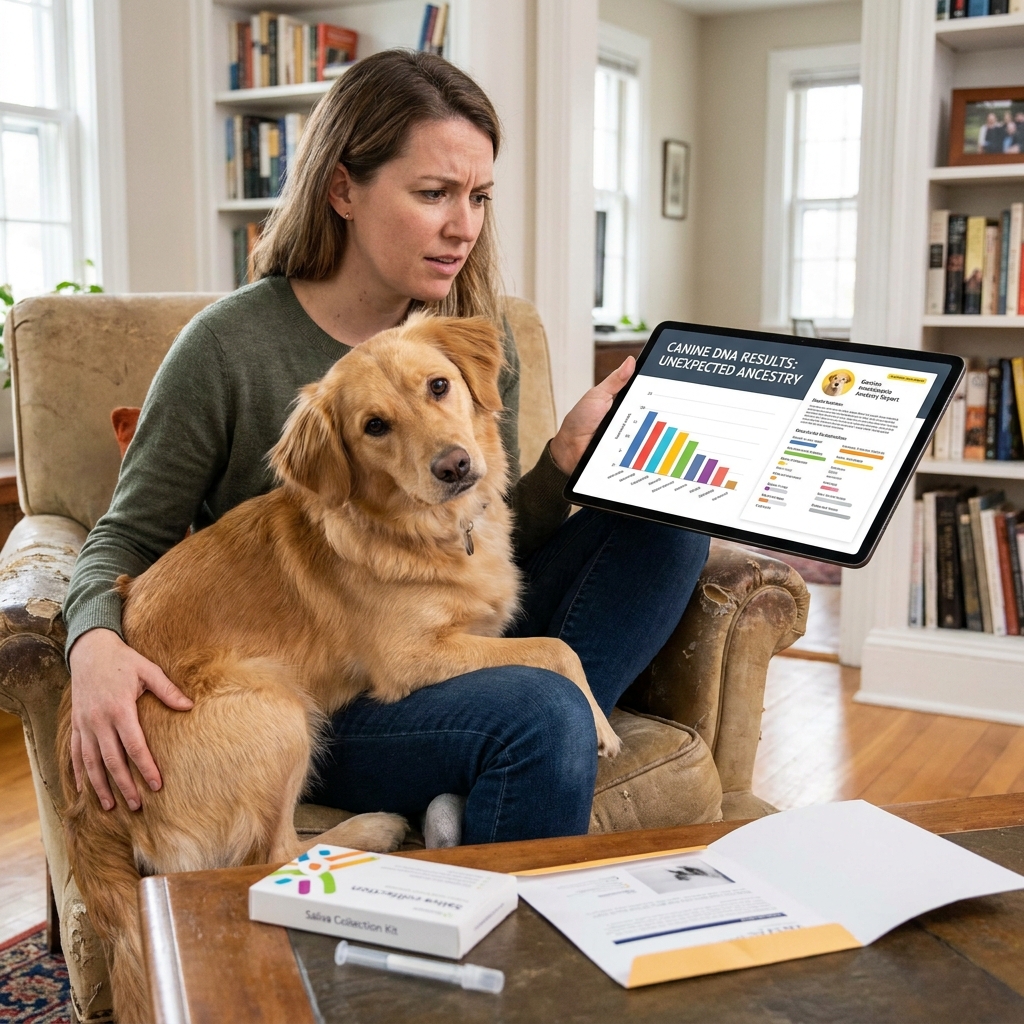
You adopted what you thought was a Labrador mix. The shelter called him a “Lab blend,” and honestly, he looked the part. Then your dog DNA results came back — and suddenly there’s Chow Chow, Basenji, and a little bit of something no one can quite explain. Sound familiar? You’re not alone. Thousands of pet owners every year send in a swab and get back results that leave them scratching their heads. Whether your pup turns out to be a surprising mix or even a purebred rescue dog hiding in plain sight, unexpected DNA results can feel confusing — and sometimes a little overwhelming. But here’s the good news: those results are a gift, not a mystery to fear. Understanding what they mean can help you care for your dog in a deeper, more informed way.
Why Rescue Dog DNA Results Are Often a Surprise
When dogs come into shelters, staff do their best to identify breeds based on looks and behavior. But visual breed identification is notoriously inaccurate — even for trained professionals. Studies have shown that shelter workers and veterinarians correctly identify dominant breeds only about 25% of the time just by looking at a dog.
That’s where rescue dog DNA testing changes everything.
Shelter dog DNA testing has become much more common in recent years, and it’s giving families a clearer picture of who their dog really is. The results don’t always match the label on the kennel card, and that’s okay. Dogs are complex, and so is their genetic history.
Rescue DNA testing works by analyzing hundreds of genetic markers in your dog’s saliva or cheek cells. The results are then compared to a large database of known breed profiles. The more breeds in your dog’s background, the more “blended” and unpredictable the results can look.
What Matters Most When Reading Dog DNA Results
Before you dive into what the percentages mean, here are the most important things to keep in mind:
- DNA results are a probability, not a certainty. They show the most likely genetic matches based on current database information.
- The database size matters. The larger and more diverse the database, the more accurate the dog breed DNA analysis tends to be.
- Rare or regional breeds may show up as “mixed” or “unrecognized.” If your dog has ancestry from less common breeds, those might not show up clearly.
- Health insights are more reliable than breed labels. The genetic health markers included in many tests are often more actionable than the breed percentages.
- Your dog is still the same dog. Whatever the results say, their personality, quirks, and needs don’t change overnight.
Use the results as a starting point for learning, not as a definitive label.
Section 1: When Your “Obvious” Breed Isn’t There at All
One of the most common DNA test surprises is when the breed everyone assumed is simply… missing. Your fluffy golden-colored dog has zero Golden Retriever. Your “German Shepherd mix” has no Shepherd genes at all.
This happens more often than you’d think.
Dogs bred over many generations can develop consistent physical traits — like coat color, ear shape, or body size — that have nothing to do with the breed those traits are “associated” with. Two completely unrelated breeds can produce a puppy that looks very similar to a third breed entirely.
What to do with this information:
Don’t panic. Instead, look at the breeds that are listed and read about their general traits, energy levels, and tendencies. You may find that some behavioral quirks that seemed random suddenly make a lot of sense. That love of digging? Might be the Terrier ancestry. The intense herding of your children? Probably the Collie hiding in the mix.
Section 2: The Mystery of the Tiny Percentages
Many dog DNA discover moments involve a long list of breeds, most of which are under 10%. You might see something like: 35% Beagle, 20% Boxer, 12% Labrador, and then a string of breeds at 5% or less labeled as “Supermutt” or breed groups.
These tiny percentages represent distant ancestors — dogs several generations back in your pup’s family tree. They often don’t have a big impact on how your dog looks or acts, but they’re part of the full genetic story.
Practical tip:
Focus your attention on the top two or three breeds listed. Those are the ones most likely to influence your dog’s behavior, health needs, and physical traits. The small percentages are interesting, but they’re more like footnotes than headlines.
Section 3: When a Rescue Dog Turns Out to Be Purebred
Here’s a plot twist that surprises many families: sometimes a rescue dog discovery reveals that your shelter pup is actually a purebred — or very close to it.
A purebred rescue dog is more common than most people realize. Dogs end up in shelters for all kinds of reasons that have nothing to do with their breed. Economic hardship, owner illness, allergies, or lifestyle changes can lead any dog — purebred or mixed — to need a new home.
If your results come back showing 95–100% of a single breed, this is actually useful information. Purebred dogs often have more predictable health risks and temperament tendencies that are well-documented. Knowing your dog is a purebred can help your vet give more targeted preventive care.
What to do:
Look up breed-specific health concerns and share them with your veterinarian. Some breeds are prone to hip issues, heart conditions, eye problems, or certain sensitivities. Early awareness means earlier action.
Section 4: Unexpected Breeds That Explain Everything
Sometimes a dog DNA test reveals a breed you never expected — and suddenly, your dog’s whole personality clicks into place.
Maybe you discover your calm, quiet dog is part Greyhound. Or your escape-artist pup has Siberian Husky in their background. Or that stubborn streak makes complete sense once you find out there’s Shiba Inu or Chow Chow in the mix.
This is one of the most rewarding parts of rescue dog DNA testing. It’s not just about knowing a breed name — it’s about understanding why your dog does what they do.
How to use this knowledge:
- Research the instincts and drives of the breeds that showed up.
- Adjust training approaches based on breed tendencies (for example, scent hound mixes often respond well to nose work and food rewards).
- Talk to your vet about any breed-specific health considerations.
- Set realistic expectations for behavior — some traits are deeply wired and take patience, not punishment.
Understanding where your dog comes from helps you meet them where they are.
Section 5: Health Information Hidden in the Results
Beyond breed identification, many dog DNA tests include health-related genetic screening. This part of the results is often the most medically valuable, especially for a shelter dog DNA whose history is unknown.
Health markers can reveal:
- Genetic mutations linked to certain diseases
- Drug sensitivities (some breeds carry the MDR1 mutation, which affects how they process certain medications)
- Traits related to body size or metabolism
- Inherited conditions your dog may be at risk for
Important note: A genetic risk doesn’t mean your dog will develop a condition. It means your vet should know about it. Many genetic risks can be managed or monitored with regular checkups and early intervention.
Always share your full DNA report with your veterinarian. They can help you understand what’s medically relevant and what simply needs to be watched over time.
Common Mistakes to Avoid After Getting Results
Getting rescue dog DNA results back is exciting, but there are a few pitfalls that can lead to confusion or frustration.
Mistake 1: Treating the results as absolute truth. DNA tests are powerful tools, but they’re not perfect. Results can vary slightly between tests, especially if your dog has a lot of mixed ancestry. Consider them a helpful guide, not gospel.
Mistake 2: Changing how you feel about your dog. Some owners get results they didn’t expect and suddenly feel unsure about their dog. Remember — your dog is exactly who they were before the test. The results just add context.
Mistake 3: Ignoring the health section. The breed percentages get a lot of attention, but the health markers are often more actionable. Don’t skip over them.
Mistake 4: Applying breed stereotypes too rigidly. Knowing your dog has a certain breed in their background is interesting — but every dog is an individual. Use breed info as a starting point, not a box to put your dog in.
Mistake 5: Not sharing results with your vet. Your veterinarian can do so much more with this information than you might realize. Bring the full report to your next visit.
Final Thoughts: Your Dog’s Story Just Got More Interesting
A rescue dog discovery through DNA testing is one of the most eye-opening experiences you can have as a pet owner. Whether your results were full of surprises, confirmed what you suspected, or left you with more questions than answers — that’s all part of the journey.
The truth is, knowing more about your dog’s background helps you love them better. It helps you train smarter, care more thoughtfully, and build an even stronger bond with the animal who chose you — or maybe, who you chose off that kennel card one ordinary afternoon.
Your dog may not be exactly what you thought they were. But chances are, they’re exactly who they’re supposed to be.
Frequently Asked Questions
How accurate are dog DNA tests for rescue and shelter dogs?
Dog DNA tests are helpful but not perfect. They analyze hundreds of genetic markers and compare them to a breed database, meaning accuracy depends heavily on how large and diverse that database is. Results reflect the most probable genetic matches rather than absolute certainties. For dogs with heavily mixed ancestry or rare breed backgrounds, some results may appear vague or grouped into general breed categories. Think of the results as a reliable guide rather than a definitive scientific verdict.
Why didn't the breed my shelter listed show up in my dog's DNA results?
This is surprisingly common. Shelter staff identify breeds visually, and research shows even trained professionals correctly identify dominant breeds only about 25% of the time. Dogs can develop physical traits — like coat color, ear shape, or body size — that visually resemble a breed they're not genetically related to at all. If your expected breed is missing, focus on the breeds that did show up, as those are far more likely to explain your dog's actual behavior and health needs.
Should I be worried if my rescue dog's DNA results show health risks?
Not necessarily. A genetic health marker indicates a potential risk, not a guaranteed diagnosis. Many inherited conditions can be managed or monitored effectively with regular veterinary care and early awareness. The most important step is sharing your complete DNA report with your veterinarian so they can identify what needs monitoring and recommend appropriate preventive care tailored specifically to your dog.
My rescue dog turned out to be purebred — does that change anything?
In practical terms, it's actually useful information. Purebred dogs tend to have well-documented breed-specific health risks and temperament tendencies, giving your veterinarian a clearer roadmap for preventive care. However, it doesn't change who your dog fundamentally is — their personality, habits, and bond with you remain exactly the same. Use the purebred status as a tool for smarter healthcare decisions rather than a reason to see your dog differently.
What should I actually do with the tiny breed percentages on my dog's DNA results?
Treat them as interesting background details rather than meaningful insights. Small percentages — typically under 10% — represent distant ancestors from several generations back and rarely influence your dog's current behavior, appearance, or health in significant ways. Instead, focus your attention on the top two or three breeds listed, as those are the ones most likely shaping your dog's instincts, energy levels, and physical traits. The smaller percentages are fun conversation starters, but they shouldn't drive any major decisions about training or care.