
Short Time, Lasting Love: The Profound Impact of Adopting a Senior Pet
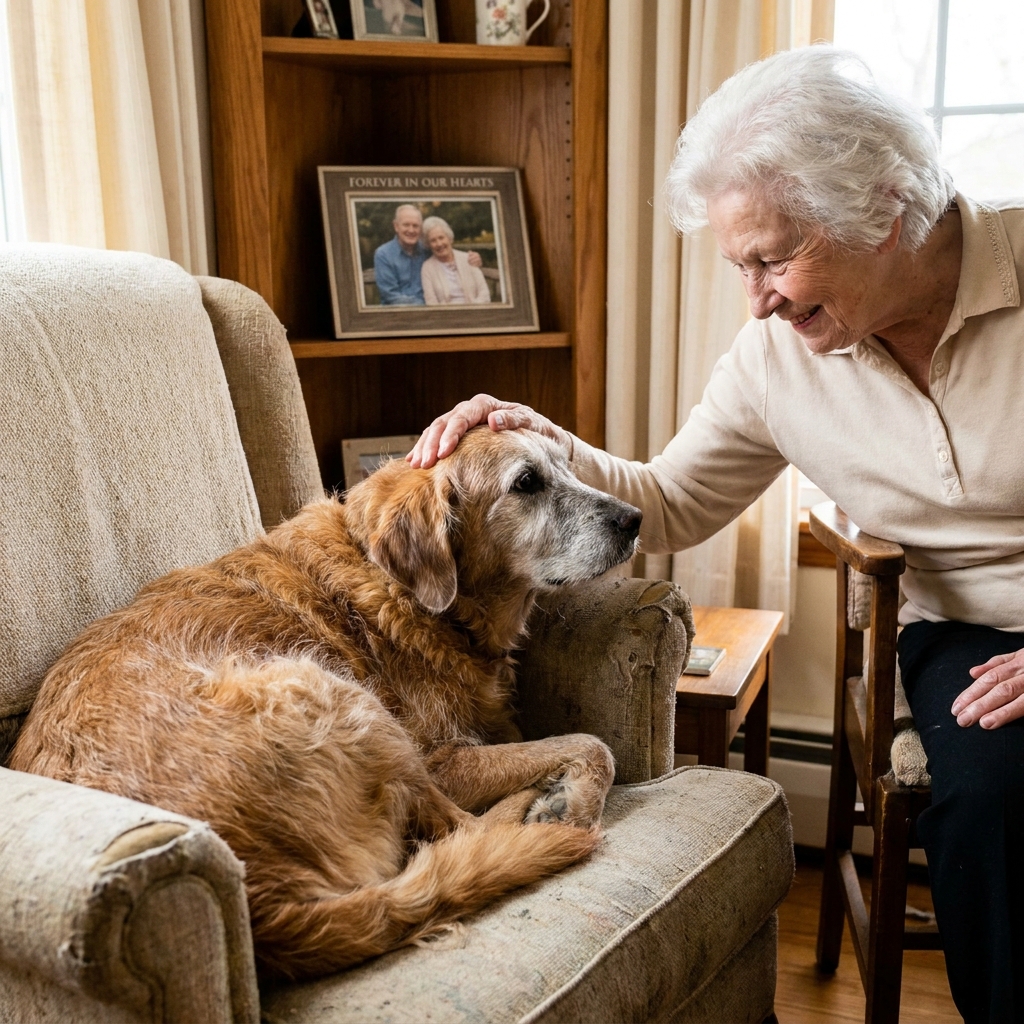
There’s a dog sitting quietly at the back of the shelter. He’s not jumping. He’s not barking. He just looks up at you with calm, tired eyes — and something about that moment stays with you long after you leave. Many people walk past senior dogs every day without a second thought. But those who stop, those who choose to bring an older dog home, will tell you it changed their lives in ways they never expected. Senior dog adoption isn’t talked about nearly enough. And it deserves to be.
What Matters Most When Considering Senior Pet Adoption
Before you open your heart and your home to an older dog, it helps to know what you’re actually getting into — in the best possible way. Senior pet adoption is different from adopting a puppy or young dog, and understanding those differences helps you prepare with confidence.
Here’s what truly matters when you’re thinking about bringing home a senior dog:
- Realistic expectations over perfect conditions. You don’t need a big house or a yard. You need patience, love, and a quiet space where your dog feels safe.
- An honest look at your lifestyle. Senior dogs often do well in calm, steady homes. If you have a relaxed routine, you may be a perfect match.
- A willingness to learn. Older dogs may have medical needs, dietary adjustments, or past experiences that require a little extra attention. That’s okay — and it’s manageable.
- Connection over age. Don’t let the number stop you. A seven-year-old dog can have five, seven, or even ten more years of life to share with you.
The most important thing? Going in with an open mind. Senior dogs are not broken. They are seasoned, gentle, and often already trained. They just need someone to choose them.
Why So Many Senior Dogs End Up in Shelters
This is one of the hardest things to talk about, but it’s important to understand. Many people assume senior dogs at a dog shelter were given up because something was wrong with them. That’s rarely the case.
Senior dogs end up in shelters for all kinds of reasons that have nothing to do with their personality or behavior:
- A family moves and can’t take their pet with them
- An owner passes away and no family member is able to take the dog
- Medical costs become too much for a family to manage
- A new baby or other life change creates a difficult situation at home
These are not bad dogs. These are loyal companions whose lives were disrupted by circumstances outside their control. Understanding this can change how you see a senior dog rescue dog the moment you meet one.
During Senior Pet Month, animal shelters and rescue organizations shine a light on this very issue — hoping more people will look twice at the older animals who are often passed over in favor of puppies.
The Real Benefits of Adopting an Older Dog
Ask anyone who has adopted a senior dog, and you’ll hear the same things over and over. The dog was calm. The dog was grateful. The dog fit into the home almost immediately.
Here are some of the most meaningful dog adoption benefits that come with choosing an older pet:
They’re Often Already Trained
Many senior dogs already know basic commands. They understand how to walk on a leash. They’re often housetrained. This doesn’t mean there’s zero adjustment period, but it does mean you’re skipping a lot of the difficult puppy stages.
What You See Is What You Get
With a puppy, you’re guessing at size, temperament, and behavior. With an older dog, the shelter staff can tell you exactly what that dog is like — how they behave around kids, other pets, strangers, and different environments. That kind of certainty is incredibly valuable.
A Calmer Energy in Your Home
Puppies are wonderful, but they’re also a lot of work. Senior dogs tend to be more settled. They enjoy walks, gentle playtime, and long naps beside you. For families, older adults, or anyone looking for a steady companion, this energy is a perfect match.
A Deeper, Quieter Bond
There’s something unique about the bond that forms when you rescue senior dogs. They seem to understand what you’ve done for them. Many owners describe a connection that felt immediate and profound — a kind of gratitude that shows up in how closely the dog stays by their side.
What to Expect in the First Few Weeks
Bringing any dog home requires an adjustment period. For senior dogs, this transition can take a little time — but it’s almost always smooth with the right approach.
Give Them Space to Settle
Your new dog doesn’t need to explore the whole house on day one. Set up a quiet area with a comfortable bed, fresh water, and a few familiar-smelling items. Let them come to you at their own pace.
Keep a Consistent Routine
Senior dogs thrive on routine. Regular feeding times, predictable walks, and a steady sleep schedule help them feel safe quickly. The more consistent you are, the faster they’ll relax into their new life.
Watch and Learn
Pay attention to how your dog moves, eats, and rests in those first weeks. This helps you understand their baseline — what’s normal for them — so you can notice if something changes later.
Be Patient With Adjustment Behaviors
Some older dogs may be quiet for the first few days. Others may seem anxious or confused. This is completely normal. It doesn’t mean the adoption isn’t working. It means they’re processing a big change. Give them time, and you’ll watch them come alive.
Understanding Senior Dog Care Needs
Older dog adoption does come with some health considerations worth knowing about. Senior dogs aren’t fragile — but they do need thoughtful care.
Regular Veterinary Checkups
A wellness exam shortly after adoption is a great first step. Your vet can give you a full picture of your dog’s health, flag anything to monitor, and set up a care plan. Many vets recommend twice-yearly checkups for senior dogs to stay ahead of any developing conditions.
Joint Health and Mobility
Many older dogs experience some degree of joint stiffness, especially in cold weather or after resting. Soft bedding, ramps instead of stairs, and gentle daily movement can make a big difference in their comfort and quality of life.
Dental Health
Dental disease is common in older dogs and often goes unnoticed. Bad breath, trouble chewing, or avoiding the food bowl can all be signs. Your vet can advise on safe dental care options for your dog’s age and condition.
Nutrition for Older Dogs
Older dogs often have different nutritional needs than younger ones. Your vet can guide you on what to look for in food that supports senior dog health — things like digestibility, joint support, and appropriate calorie levels.
Common Mistakes to Avoid When You Adopt Senior Dogs
Even the most well-meaning pet owners can stumble in the early days. Here are some things to watch out for:
Doing too much too soon. It’s tempting to introduce your new dog to everyone and take them everywhere right away. But overstimulation can be stressful for a senior dog who’s still adjusting. Start slow and build up gradually.
Ignoring subtle signs. Senior dogs may not cry or whimper when something is wrong. They may simply eat less, sleep more, or move differently. Tuning in to small changes helps you catch issues early.
Assuming age means limitation. Many people hold back on enrichment activities because they think their older dog won’t enjoy them. But mental stimulation — like gentle training games, sniff walks, or puzzle-style feeding — is wonderful for senior dogs and keeps their minds sharp.
Skipping the vet visit. Even if your senior dog rescue dog seems perfectly healthy, that first vet visit is essential. You want a baseline picture of their health so you can track any changes over time.
Comparing them to younger dogs. Your senior dog may not run as fast or play as long as a younger pet. That’s okay. They have their own pace and their own beautiful way of engaging with the world.
A Final Word on Choosing Love Over Fear
Senior dog adoption asks something of you. It asks you to look past age, past uncertainty, and past the fear of loss. Yes, the time you have with a senior dog may be shorter than with a puppy. But that time is no less full. In many ways, it’s fuller.
When you adopt a senior dog from a shelter, you’re not just giving a dog a home. You’re giving them dignity. You’re saying: your life matters, and the years you have left are worth celebrating.
Whether it’s through a dog shelter adoption, a senior animal rescue, or a foster-to-adopt program, choosing an older dog is one of the most generous and quietly powerful things a person can do. And more often than not, you’ll find they give back far more than you ever expected.
If you’ve been thinking about it — this might be your sign to take that next step.
Frequently Asked Questions
Are senior dogs harder to care for than puppies?
Not necessarily. While senior dogs may have some health considerations like joint care or regular vet checkups, they're often easier in many ways — they're typically already housetrained, calmer, and less demanding than puppies. With a consistent routine, thoughtful nutrition, and regular veterinary visits, senior dog care is very manageable, especially for those with a relaxed lifestyle. ---
Why do senior dogs end up in shelters if there's nothing wrong with them?
Most senior dogs are surrendered due to life circumstances that have nothing to do with their behavior or personality. Common reasons include owners passing away, families relocating, financial hardship around medical costs, or major life changes like a new baby. These are loyal, loving dogs whose lives were simply disrupted through no fault of their own. ---
How long does it take for a senior dog to adjust to a new home?
Every dog is different, but senior dogs generally settle in smoothly with the right approach. In the first few weeks, some may be quiet or slightly anxious — this is completely normal. Providing a calm space, keeping a consistent daily routine, and giving them time to come to you at their own pace will help them feel safe and comfortable fairly quickly. ---
What are the biggest benefits of adopting an older dog?
There are several meaningful dog adoption benefits that come with choosing a senior dog. They're often already trained and housetrained, their personality and temperament are fully established so there are no surprises, they bring a calmer energy to the home, and many owners report forming a deep and immediate bond with their rescued senior dog — one that feels uniquely grateful and profound. ---
Do I need a big home or yard to adopt a senior dog?
No. Senior dog adoption doesn't require a large house or outdoor space. What matters far more is that you can offer patience, love, and a quiet environment where your dog feels secure. Senior dogs tend to thrive in calm, steady homes with predictable routines, making them a wonderful fit for apartment dwellers, older adults, or anyone without access to a large yard.